This article “Field Tips: Planning a Successful Tiger Safari” is by Des Ong (Website | Facebook | Instagram, see also his previous guest posts):
Field Tips: Planning a Successful Tiger Safari
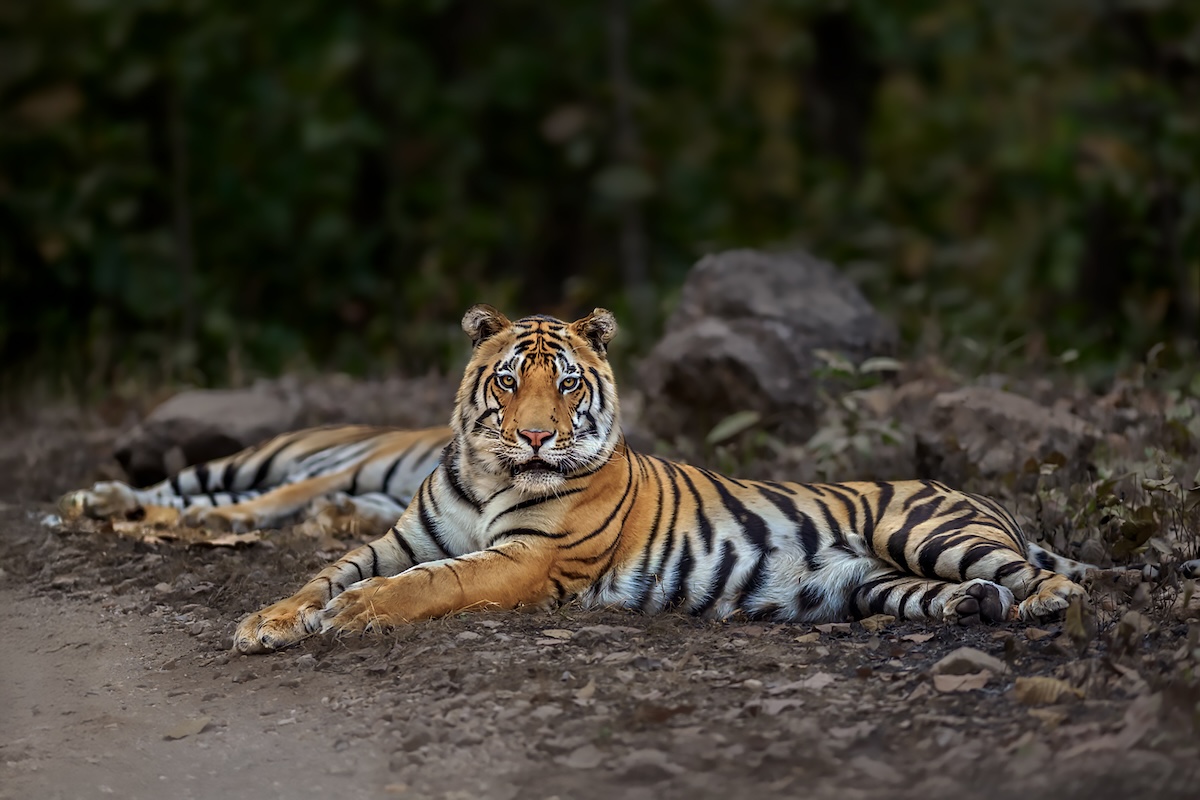
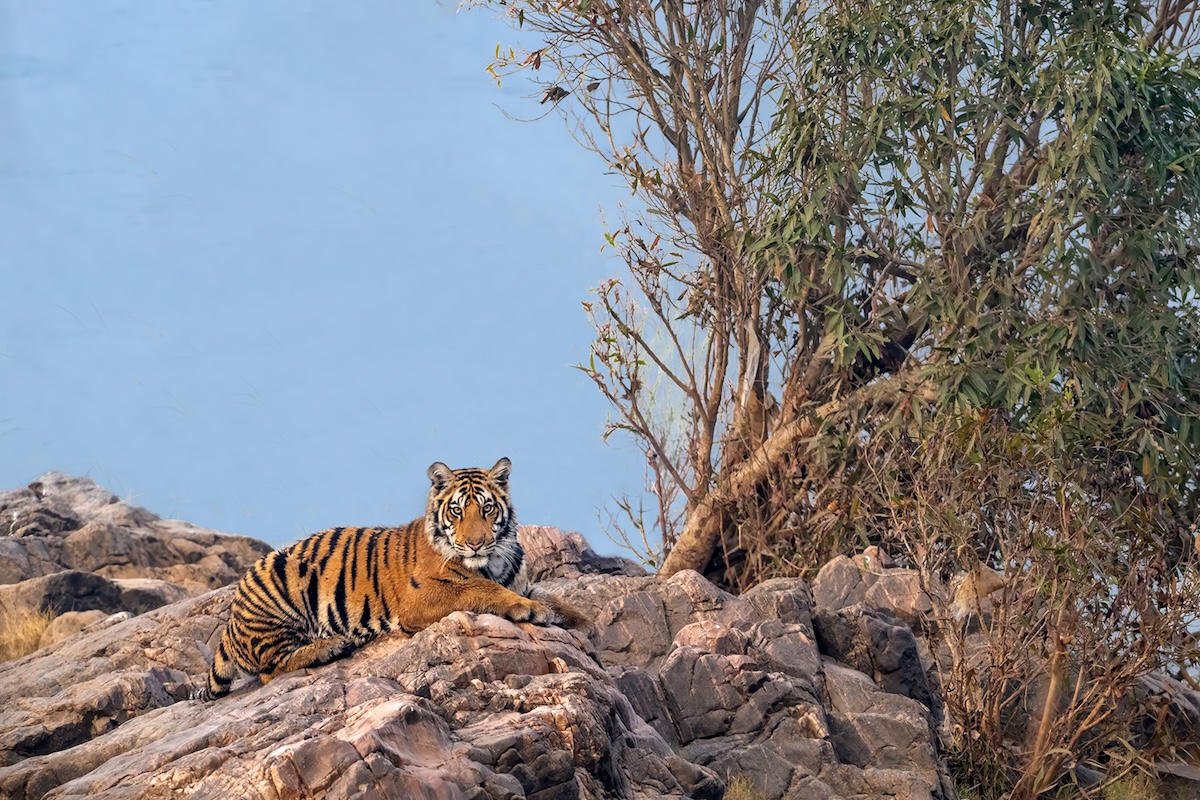
Tigers are on many photographers’ bucket lists. With more than 75% of the world’s wild tiger population, India is the premier destination for seeing these magnificent big cats. Having visited a number of reserves over the past few years, I thought I’d share some of the most common questions I’m asked, along with a few practical insights into what is involved in a tiger safari and what you should consider before booking a trip.
When to visit
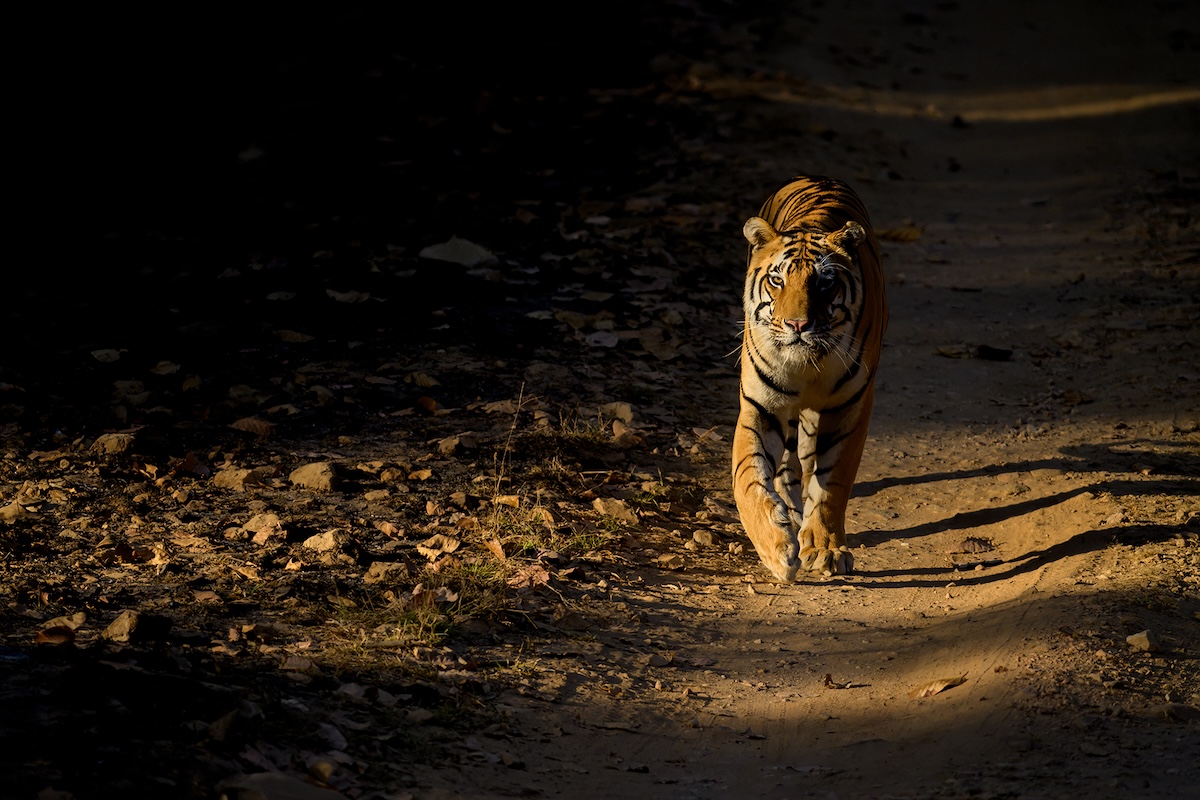
Most tiger reserves are open from around October through to the start of the monsoon season, with many closing during the monsoon months from July onwards.
Winter brings cooler temperatures, which can encourage activity throughout the day, while the thinner vegetation can make tigers somewhat easier to spot.
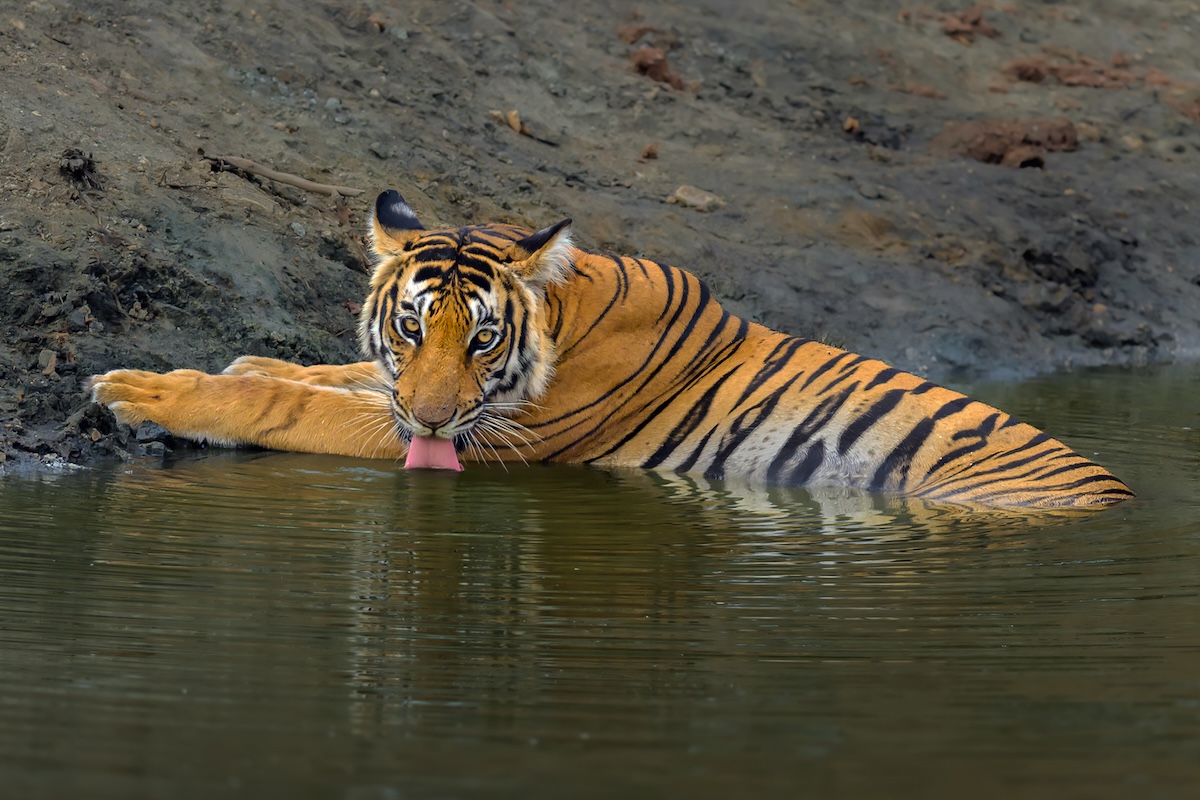
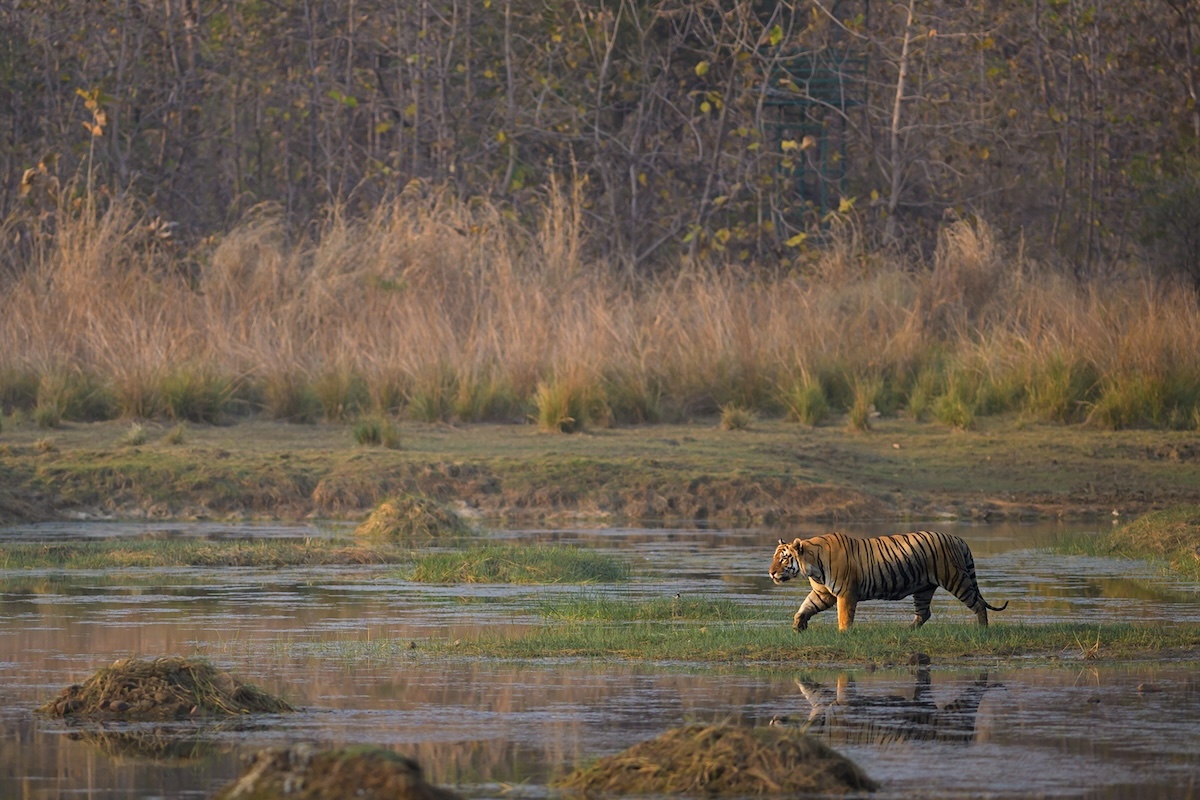
As temperatures rise towards the hotter months, tigers often spend longer periods around waterholes. These can sometimes provide excellent viewing opportunities.
Chances of success
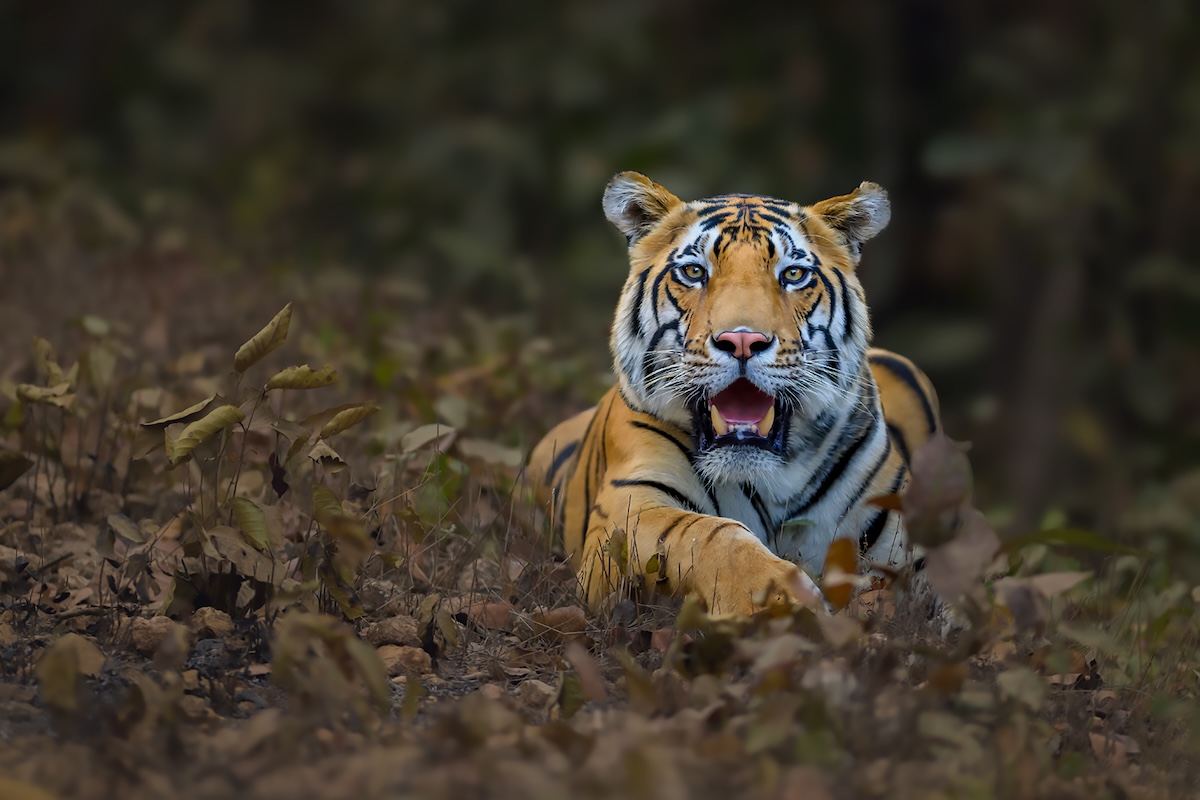
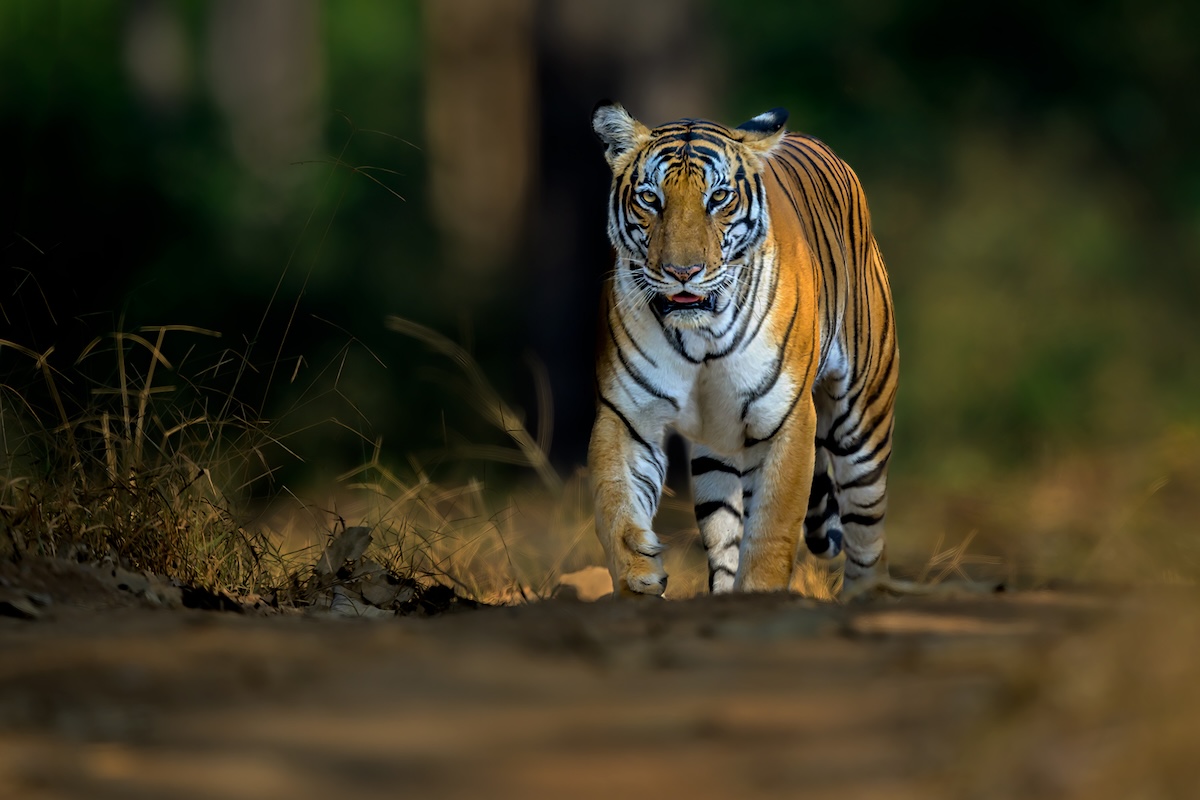
Seeing a tiger, or any wildlife for that matter, is never guaranteed. However, having an experienced driver and guide can make a significant difference. In my view, this is one of the most important aspects of a wildlife safari and something that can easily be overlooked when planning a trip.
Skilled guides understand animal behaviour, know the reserve intimately, and benefit from an invaluable network that keeps them informed of recent sightings. Just as importantly, whenever possible, try to choose drivers who have extensive experience working with photographers. They understand how to position the vehicle for the best angle, anticipate the animal’s movements, and maximise your chances of capturing clean, unobstructed images. This becomes especially important during popular sightings, where multiple vehicles may be competing for the same view.
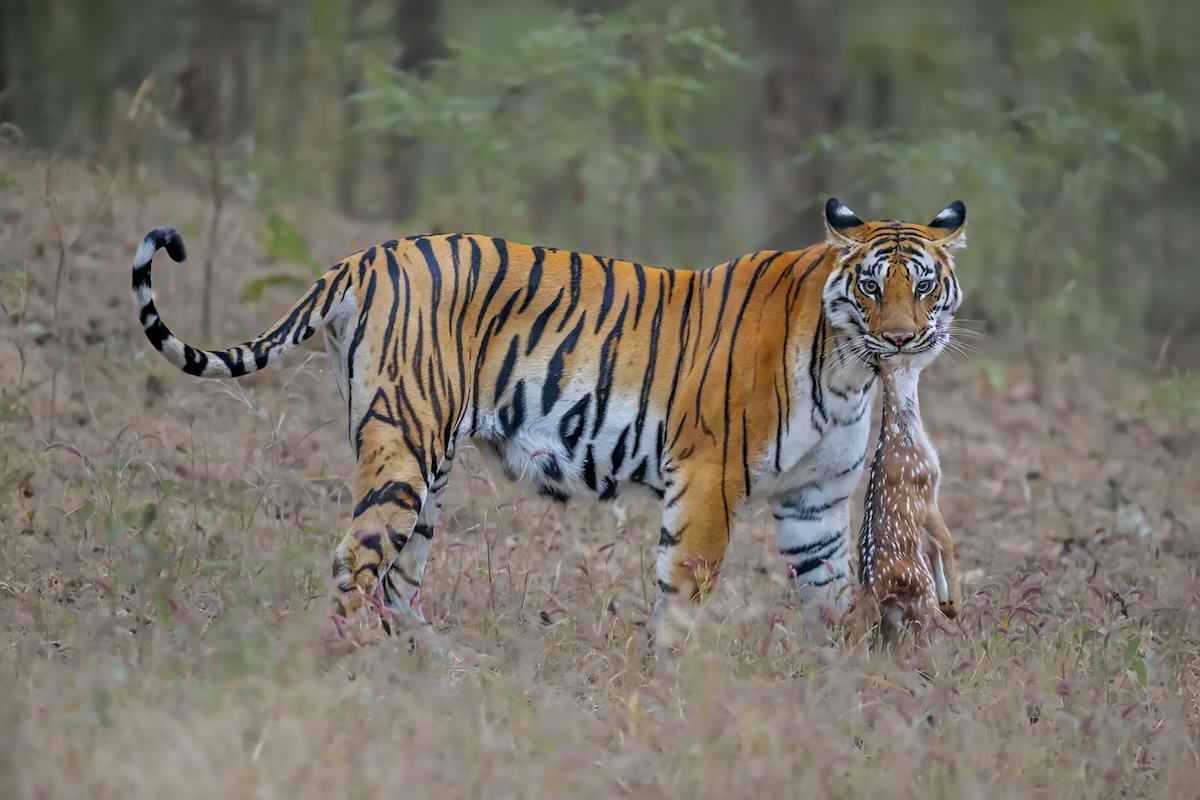
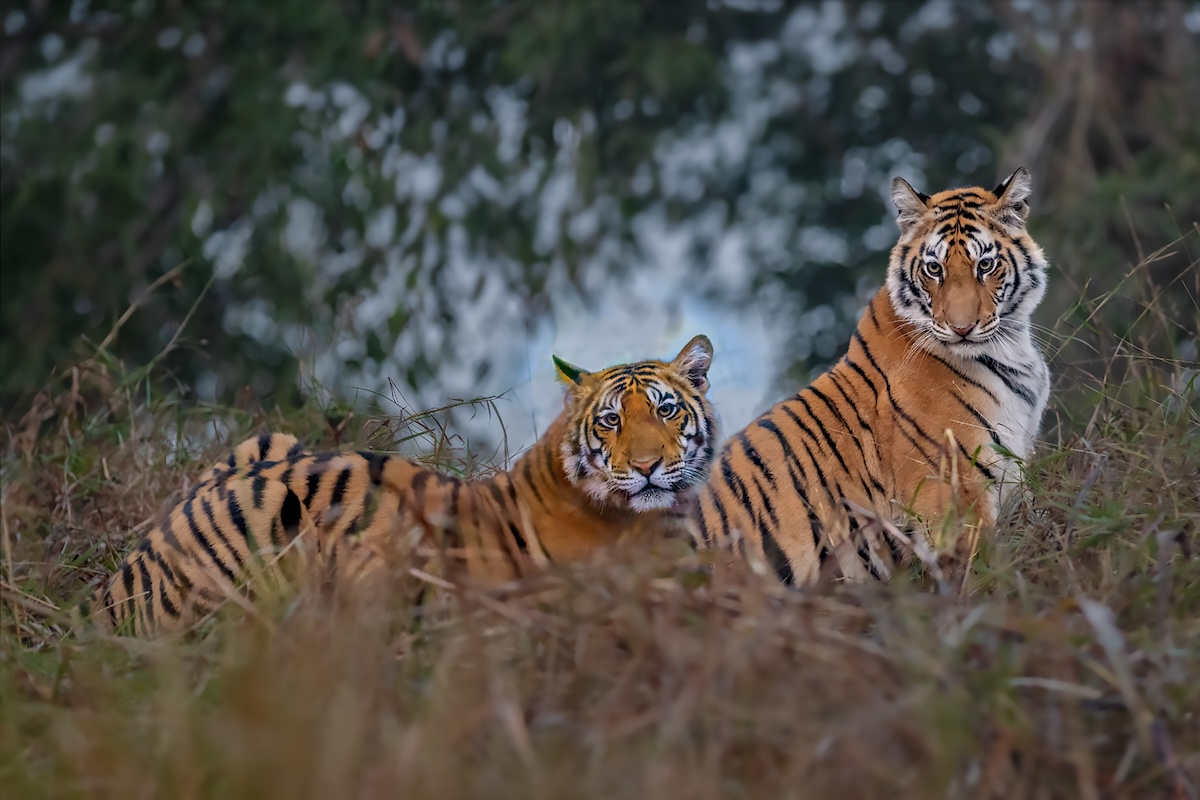
Encounters
All safari vehicles must remain on designated tracks and, in many parks, within their allocated zones. As a result, much of your time is spent searching and waiting. Well-connected guides often receive information about the latest sightings and are highly skilled at interpreting fresh pugmarks left on the tracks. Depending on the reserve and the abundance of prey species, alarm calls from deer and monkeys can also play an important role in locating a tiger.
Because vehicles generally cannot leave the tracks, ultimately it is the tiger that determines whether an encounter takes place. As sightings can often be fleeting, having your camera ready, with appropriate settings already dialled in, can make a real difference. While the average sighting may only last a few minutes, there are occasional exceptions. The longest I have spent with tigers was close to an hour, but opportunities like that are very much the exception rather than the rule. It is better to approach every safari with realistic expectations and appreciate whatever the reserve happens to offer on the day.
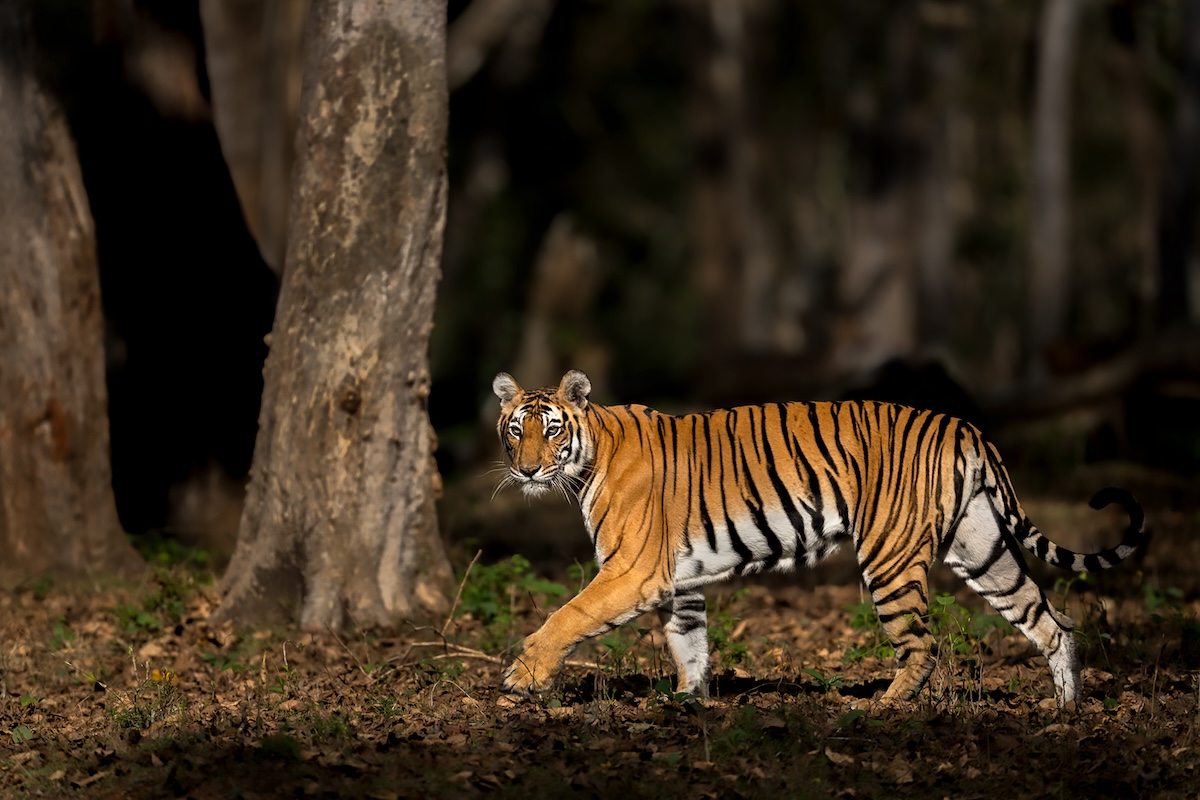
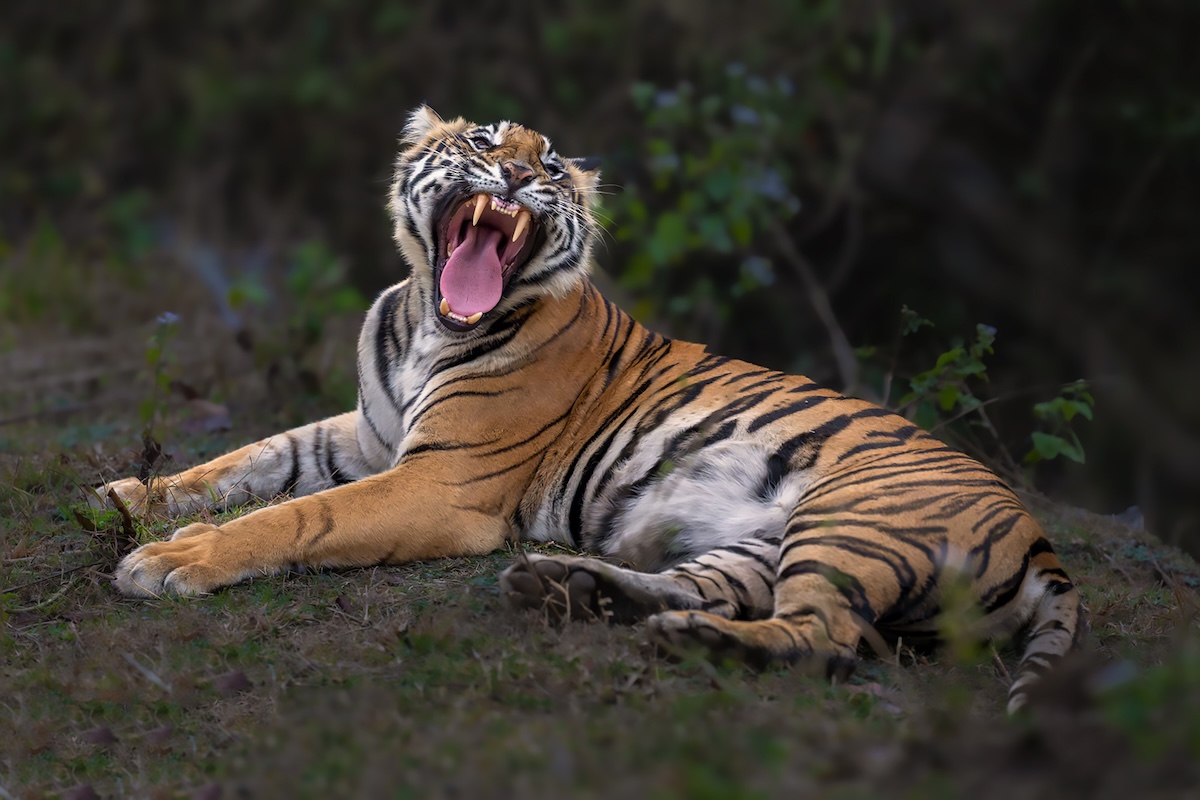
Vehicles
Depending on the reserve and its regulations, safari vehicles range from the compact two-row Suzuki Gypsy to the larger three-row Mahindra. Both are considerably smaller than the Toyota Land Cruisers commonly used on African safaris.
Most vehicles are open-topped, although some are fitted with canopies. The choice often depends on park regulations and/or the lodge. During the hotter months, a canopy can be particularly welcome, especially when the sun becomes intense on long waits.
Daily safaris
A typical day consists of two game drives: one beginning early in the morning and another in the late afternoon. Some parks also offer full-day safaris for an additional fee.
It is worth checking the park’s opening schedule before booking, as some reserves close on certain days of the week, in addition to seasonal closures and selected public holidays. In some cases, buffer zone safaris are available when the main park is closed, although the quality of sightings can vary considerably between reserves.
Equipment
A good telephoto zoom provides plenty of flexibility, particularly when the distance to a subject can change quickly. Personally, I tend to use a fast f/2.8 prime lens, sometimes paired with one or two teleconverters.
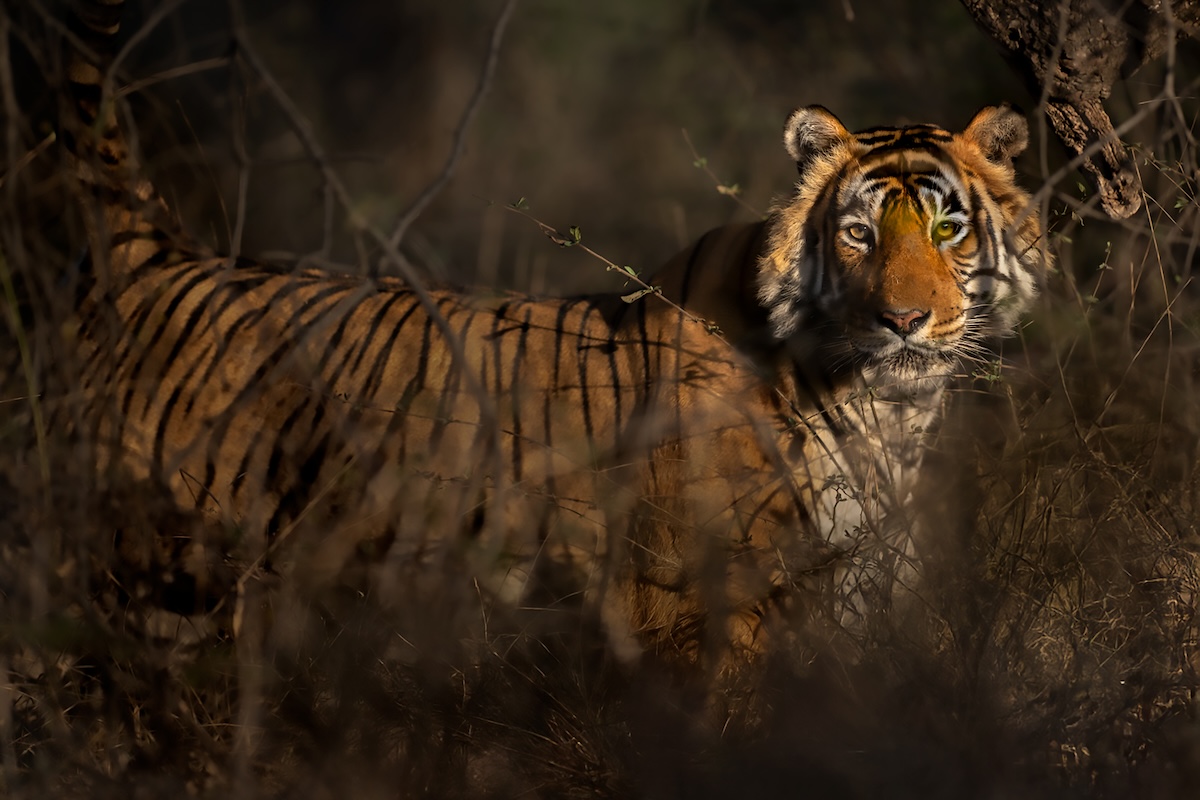
The first hour after sunrise and the last hour before sunset can be surprisingly dark beneath the forest canopy. A fast lens can therefore be particularly useful, allowing faster shutter speeds and potentially helping autofocus perform more reliably in low light.
Whatever equipment you choose, familiarity with it is arguably more important than having the largest or most expensive setup. A safari is rarely the ideal time to experiment with unfamiliar equipment.
Other factors to consider
The location of your lodge/s is another important consideration. Staying reasonably close to the park entrances can reduce the amount of time spent travelling to and from the reserve, leaving more time for rest and relaxation between drives.
Comfort and the quality of the overall operation also matter. Accommodation, food hygiene, meal variety and the experience of the local team can all contribute to how enjoyable a safari becomes. These factors inevitably influence the cost, but they can also have a meaningful impact on both the practical side of photography and the overall experience.
Perhaps most importantly, it is worth remembering that a tiger safari is a wonderful wildlife experience. Some days may produce wonderful sightings; others may involve hours of searching.
I hope these observations provide a useful picture of what to expect from a tiger safari. Meeting face-to-face with a wild tiger is a memorable experience, and a little preparation can help you make the most of whatever encounters the forest provides.
Happy shooting.
If you have an interesting idea for a guest post, please contact me here.
Previous guest posts by Des Ong:
Guest post: Nikon Nikkor Z 120-300 f/2.8 TC VR S – my dream lens?
Wildlife photography: from Coolpix 4200 to Nikon D3s and every camera in between