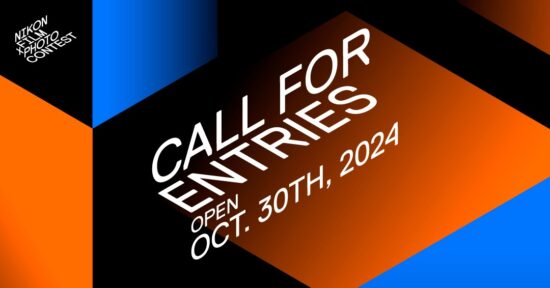
Nikon announced that it will be holding the 2024-2025 Nikon Film and Photo Contest.
The Nikon Photo Contest, which has been running for more than half a century, will be now renamed and held as the Nikon Film and Photo Contest.
Here are the details:


Nikon announced that it will be holding the 2024-2025 Nikon Film and Photo Contest.
The Nikon Photo Contest, which has been running for more than half a century, will be now renamed and held as the Nikon Film and Photo Contest.
Here are the details:

I do not remember ever seeing anything like this in the past 16+ years I have been running this site. From October 17-24, Nikon will have a “Vintage Pop-Up Experience” in the Yorkdale Mall (Canada):
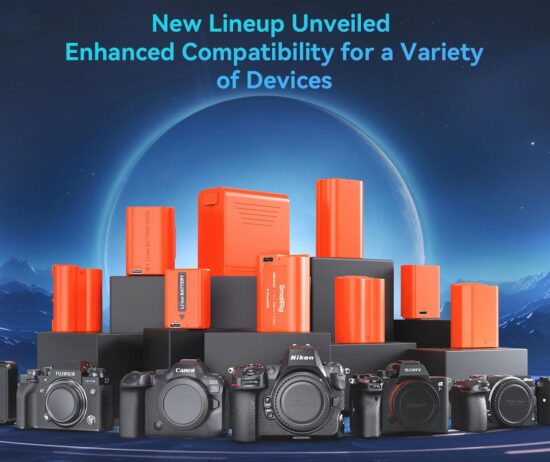
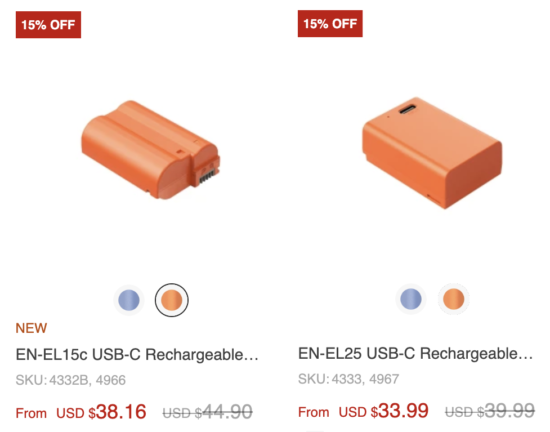
After the colored camera cages, SmallRig is now selling orange batteries for Nikon cameras (see the full list here):
EN-EL15c USB-C rechargeable battery (available in blue & orange) – compatible with Z5, Z6, Z7, Z6II, Z7II, Z8, D7200, D7500, D500, D610, D750, D780, D810, D810A, D850:
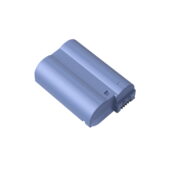
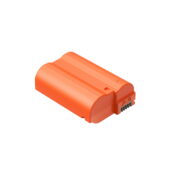
EN-EL25 USB-C rechargeable battery (available in blue & orange) – compatible with Z50, Zfc, Z30:
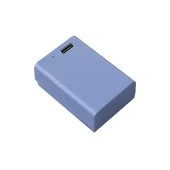

Update – the colored SmallRig batteries for Nikon cameras are on sale until October 21 (15% off):
Also available: VB99 mini V-mount battery (black, green, orange):
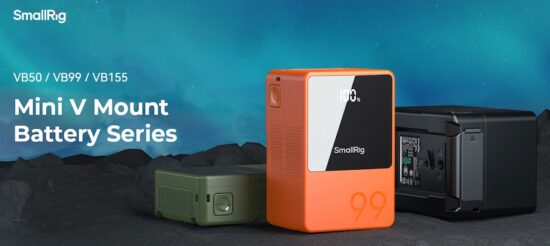
The orange batteries will be available for sale only for the month of October.
New SmallRig USB-C fast charging batteries for Nikon cameras
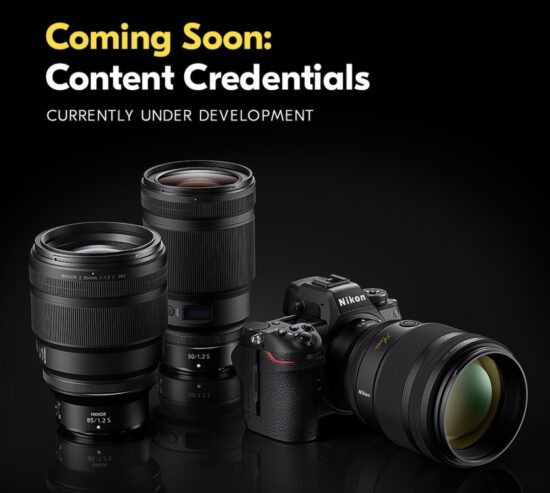

Today Nikon announced the development of a new Z6 III firmware update with C2PA Content Credentials support. Back in 2022 during the 2022 Adobe Max conference, Adobe announced a partnership between the Content Authenticity Initiative (CAI) and Nikon to add content credentials in Photoshop for the Nikon Z9 camera:
Nikon is also developing a new version of the NX MobileAir App that will include support for Adobe’s Frame.io Camera To Cloud for the Z6III, Z8 and Z9 models:
French eye-wear maker Essilor Luxottica (the parent company of Ray-Ban) has taken a 5.1% stake in Nikon. As a result, Nikon’s share price surged as much as 10% after confirmation from a regulatory filing and LSEG data. Nikon’s share price is up nearly 20% since the start of the year (2024):
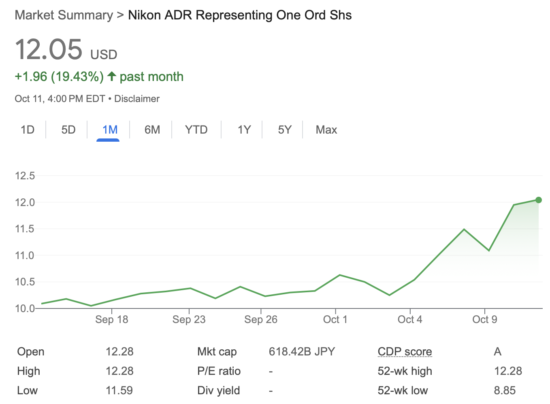


Source: Reuters
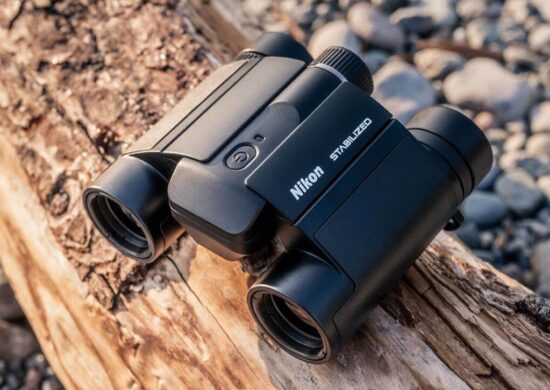
→ Nikon introduces new STABILIZED binoculars – ultra-compact and lightweight, featuring 12-hour battery life and Nikon Optical Stabilization System – additional information, product pages, see related videos at the bottom of this post.

→ Why the Nikon Z6 III is perfect for portraits.
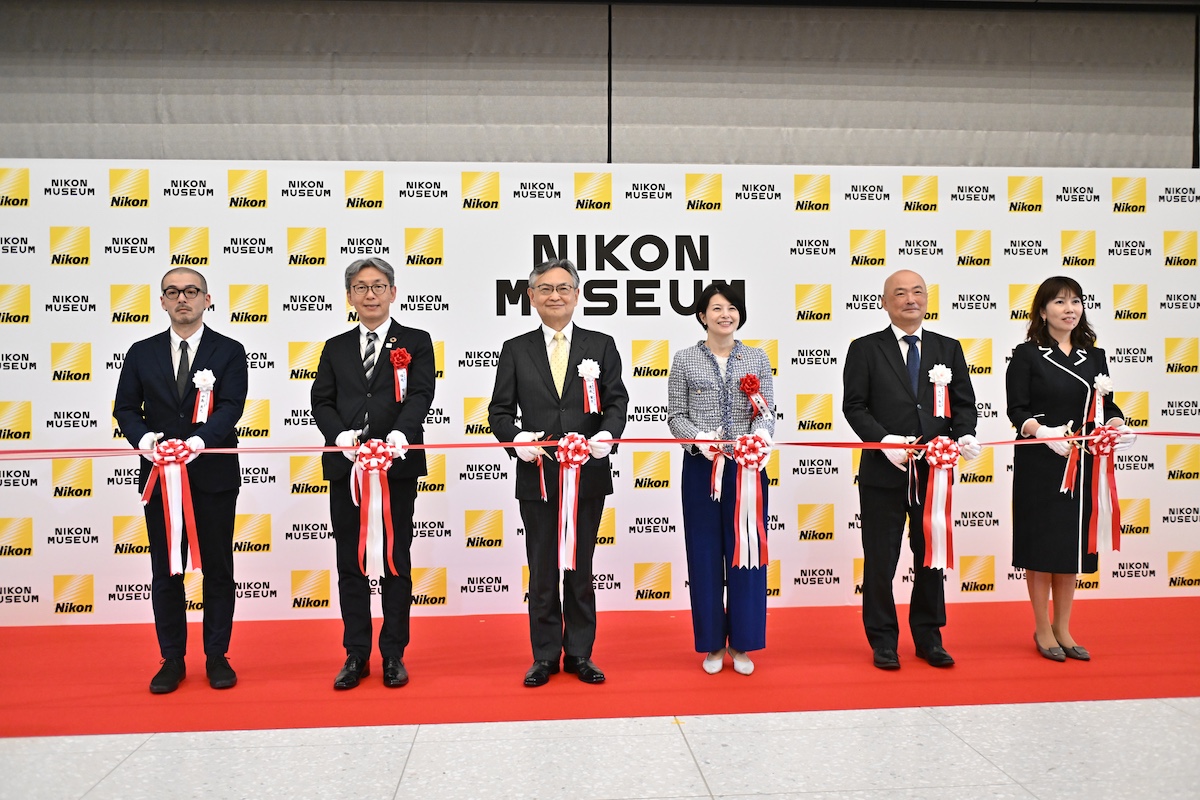
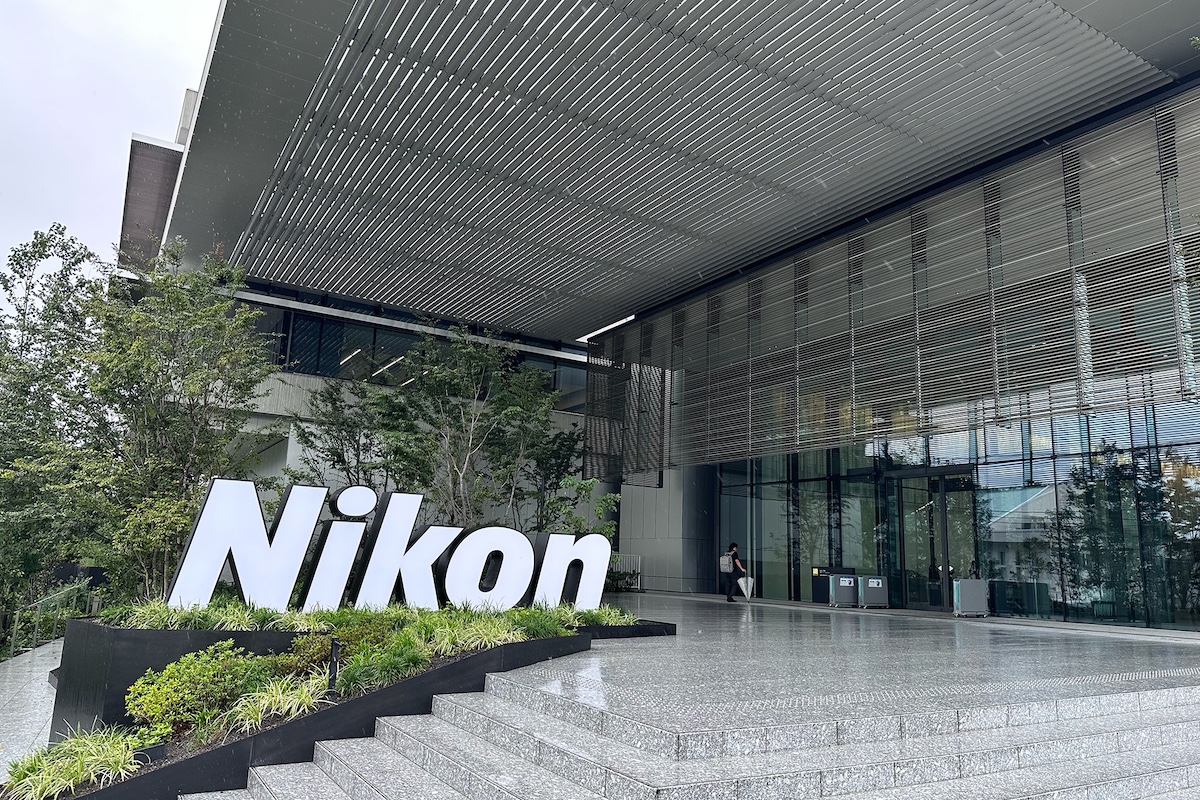
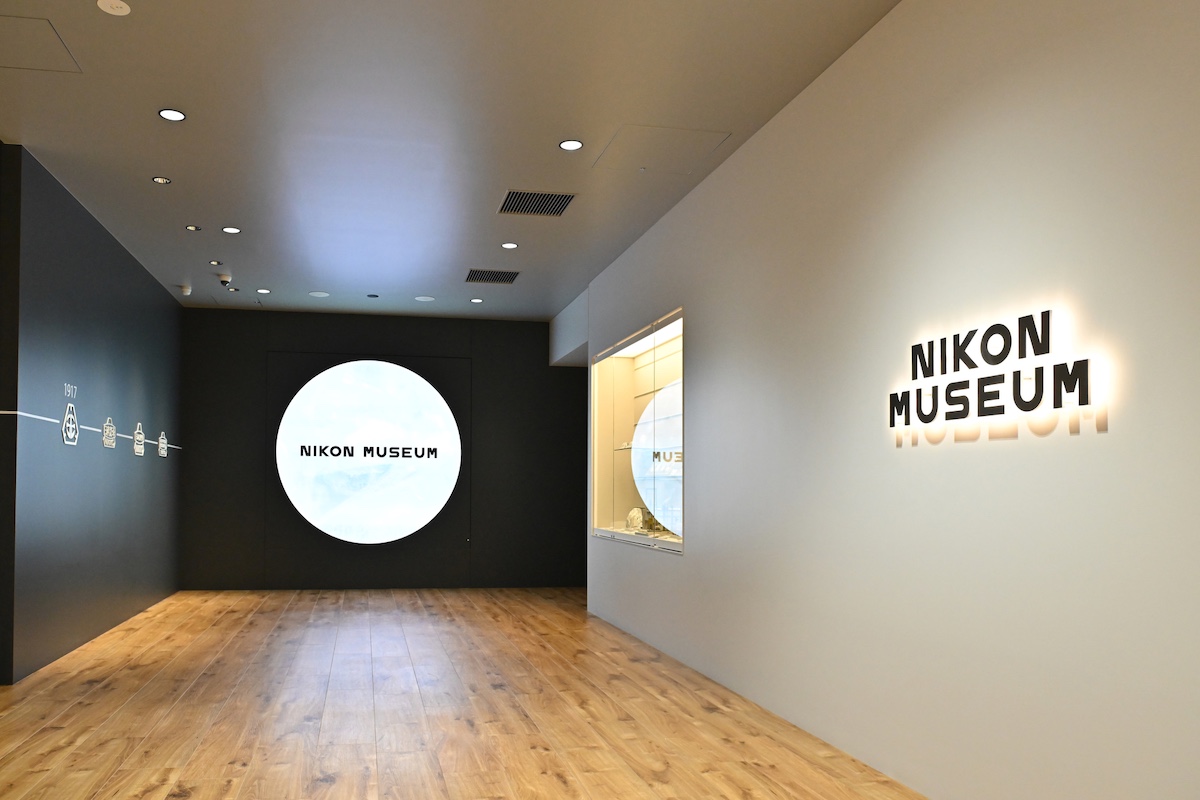
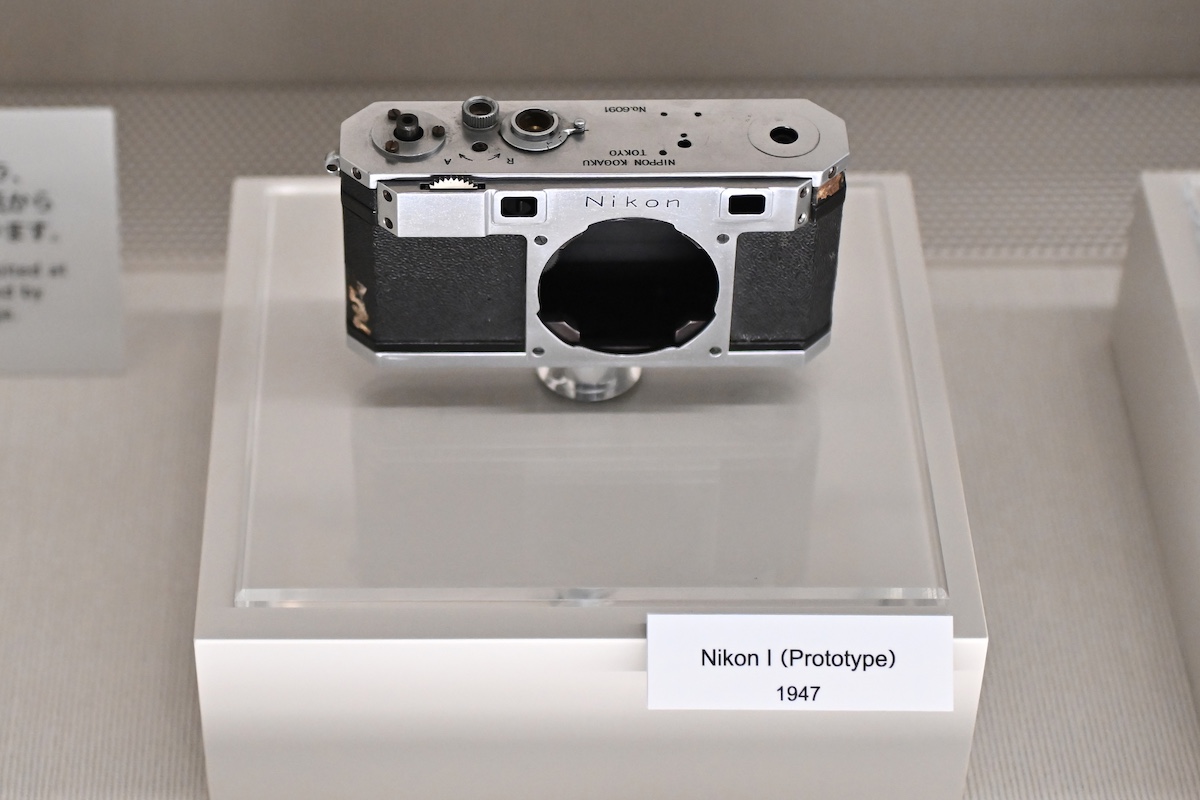
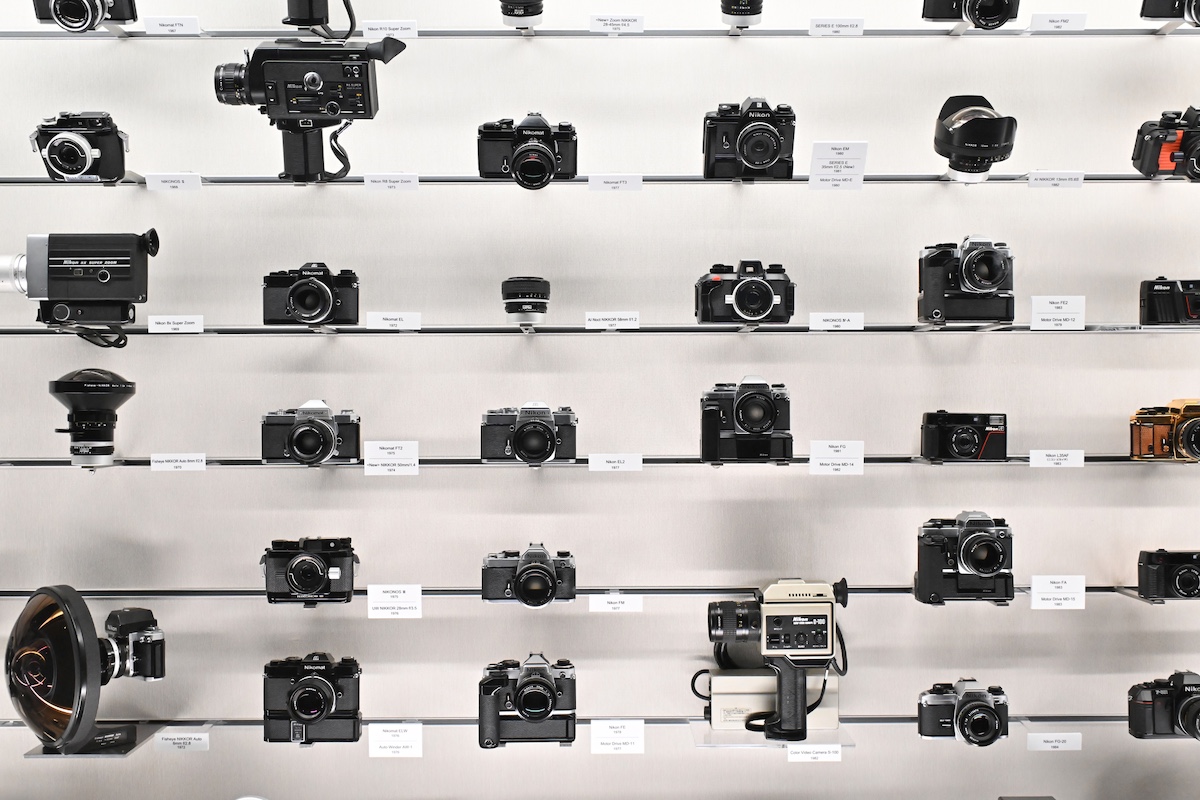
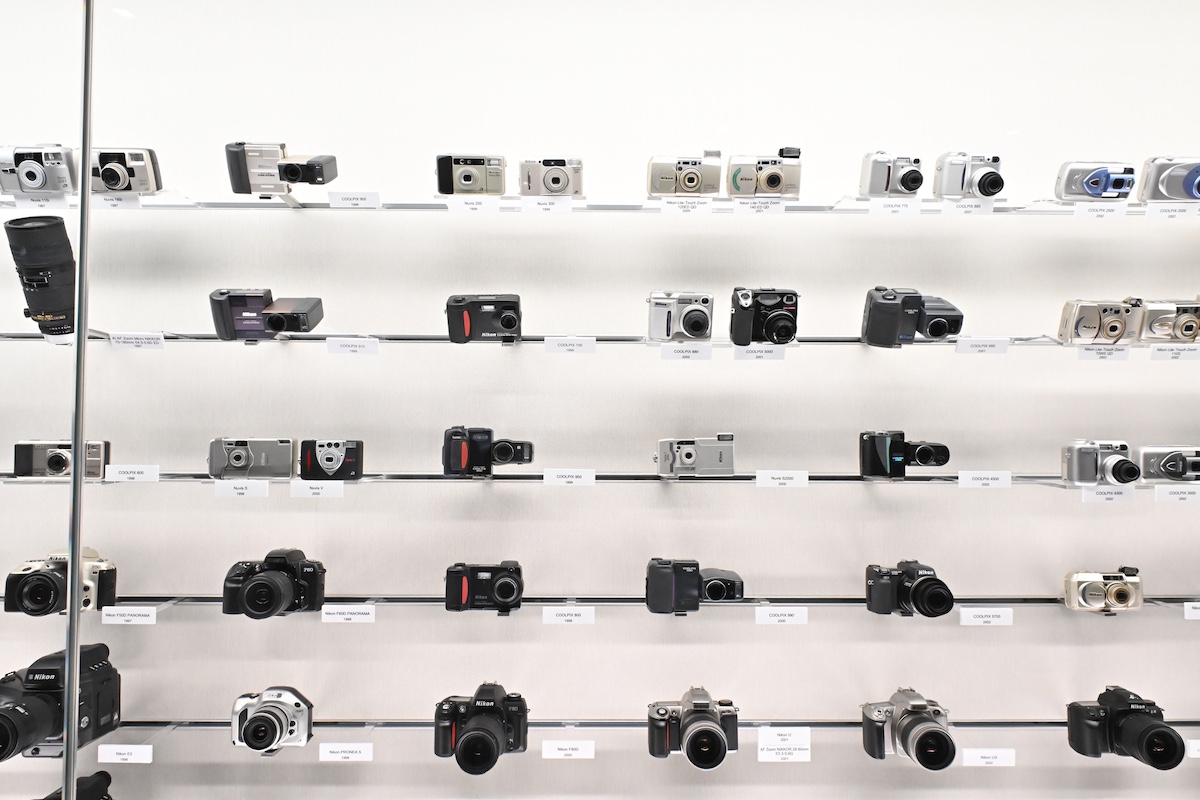
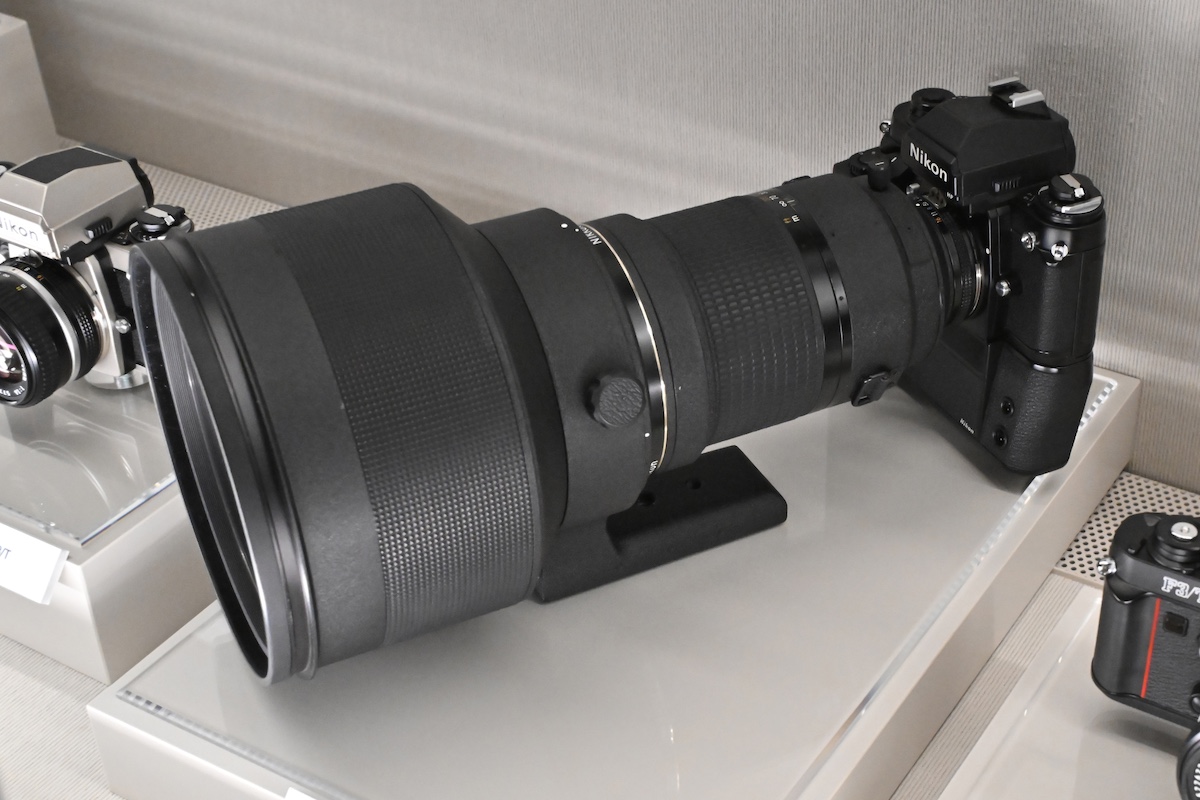
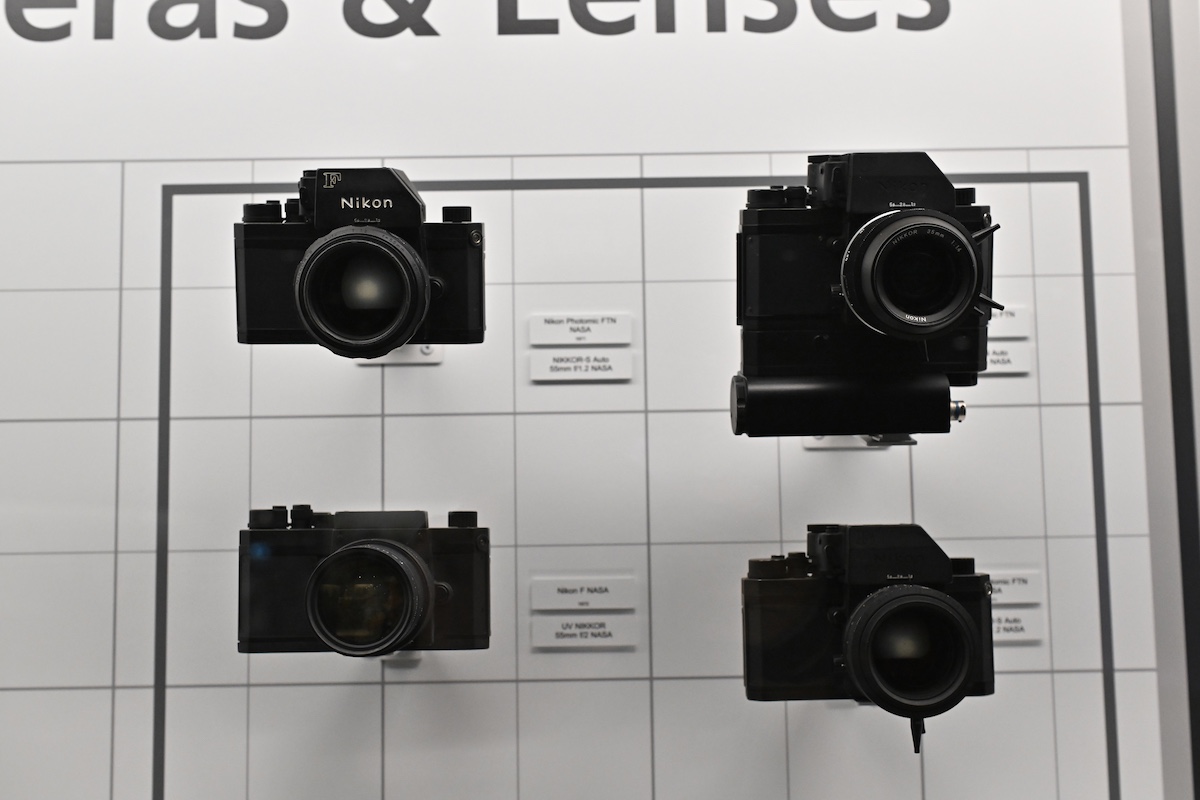
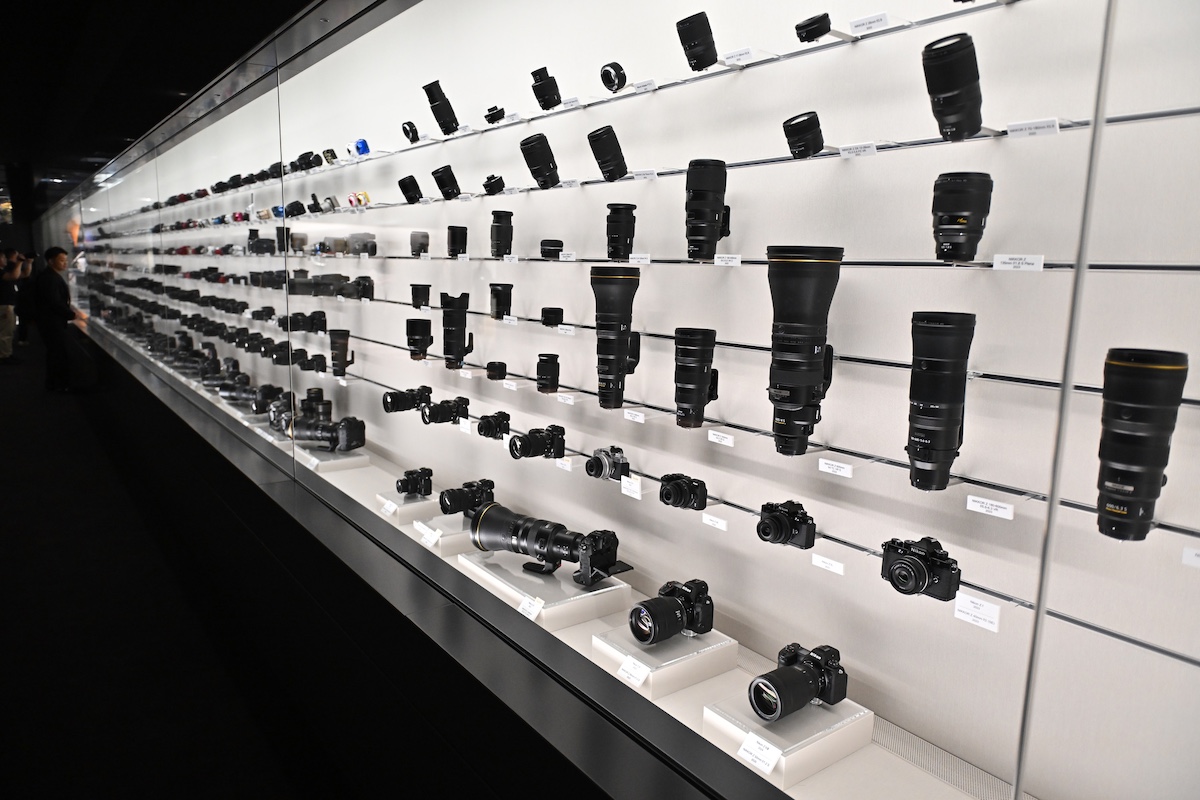
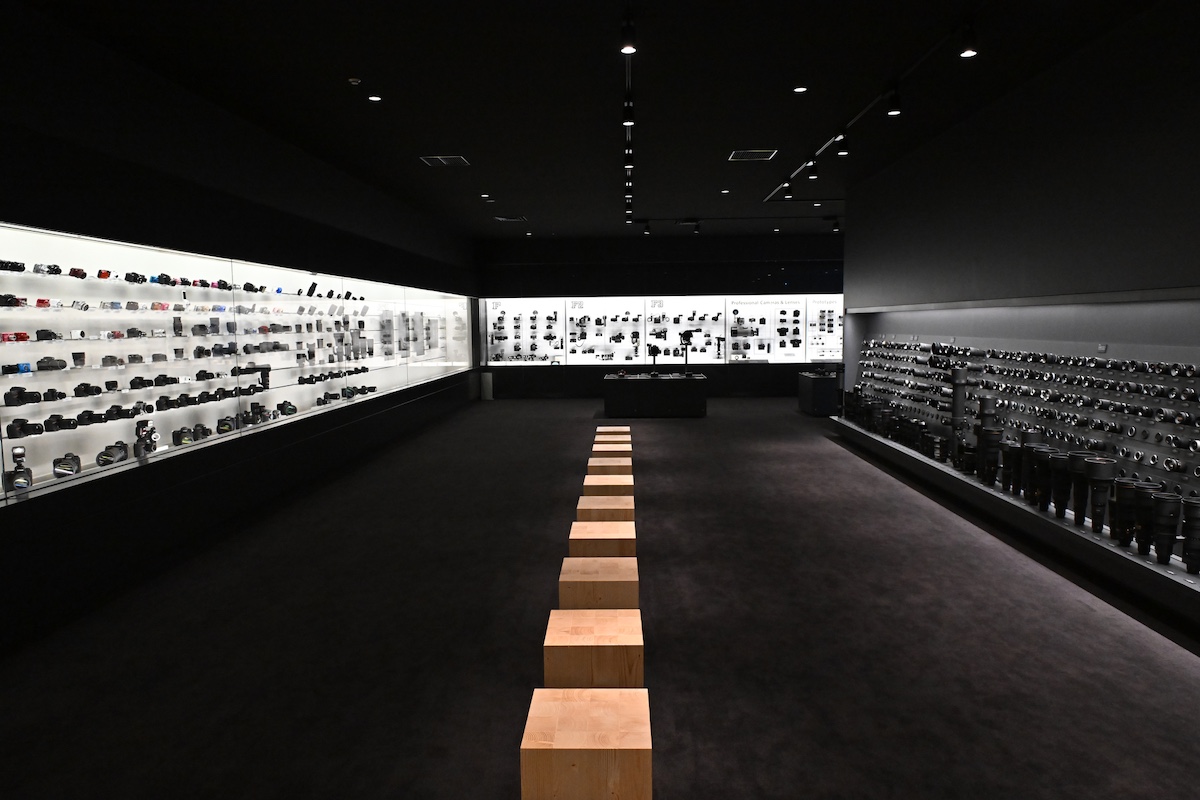
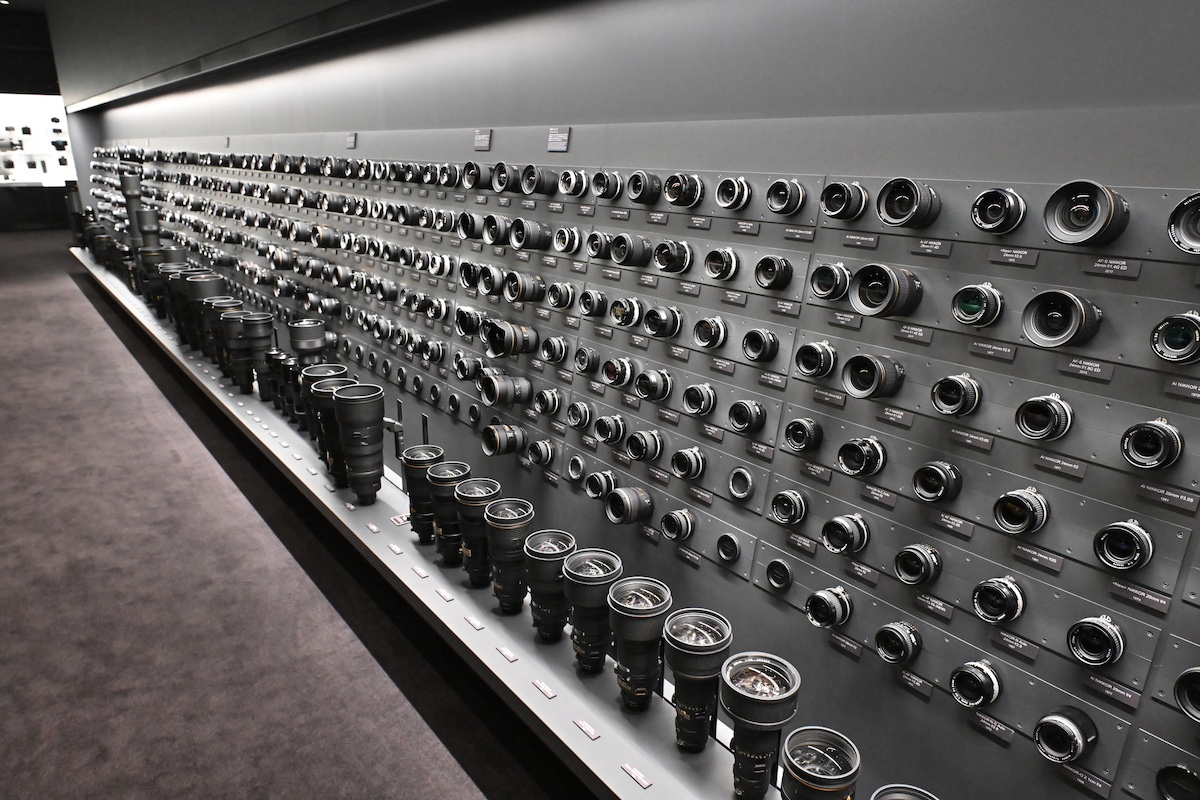
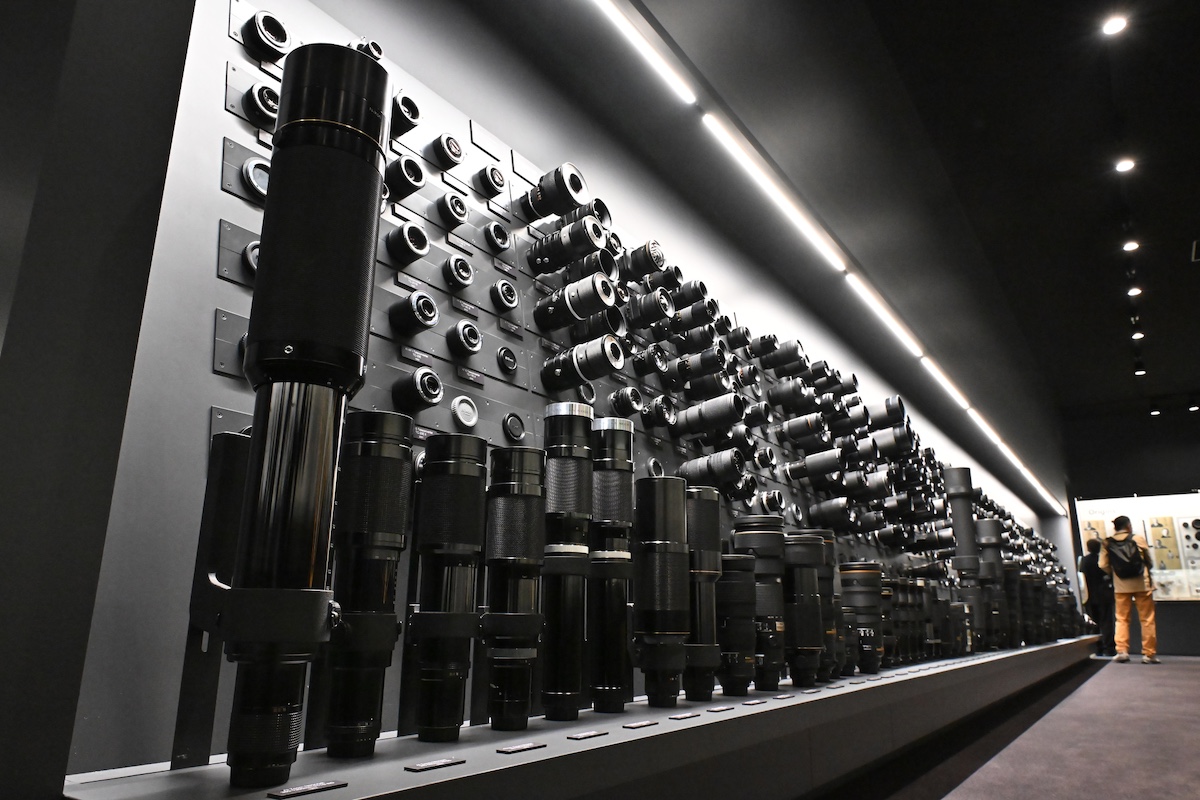
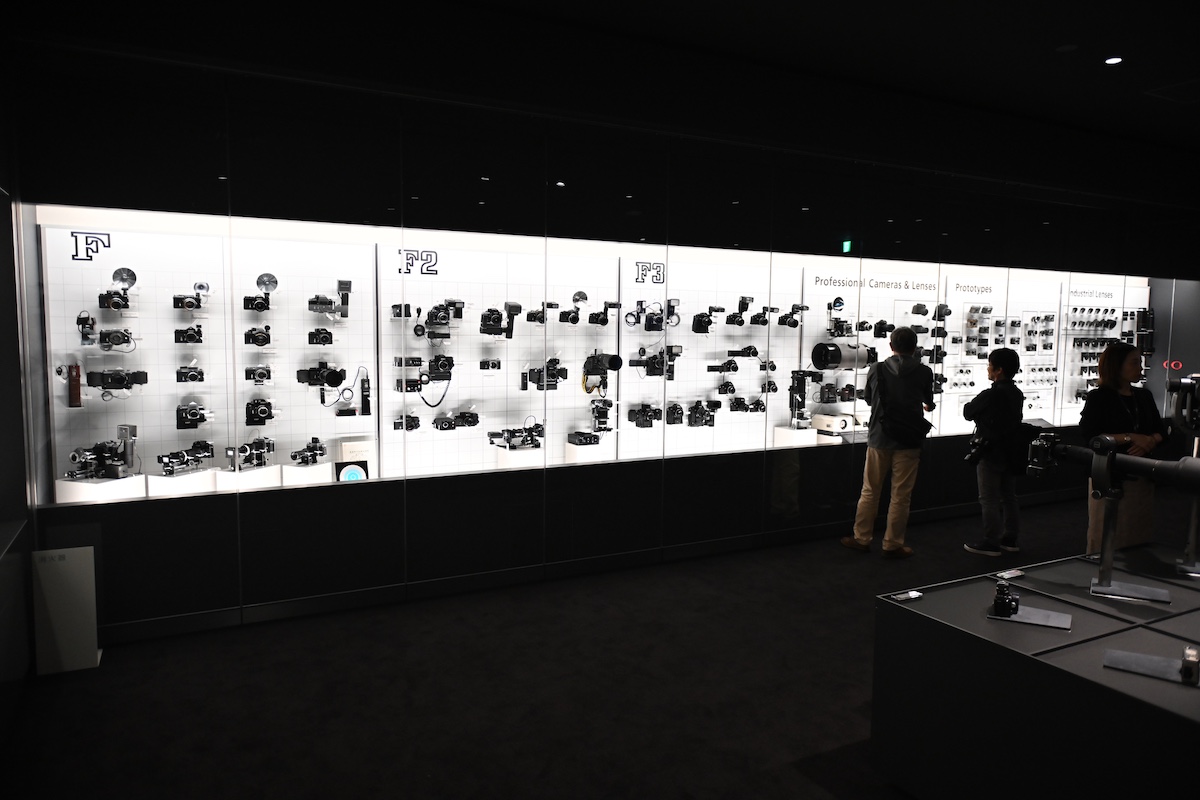
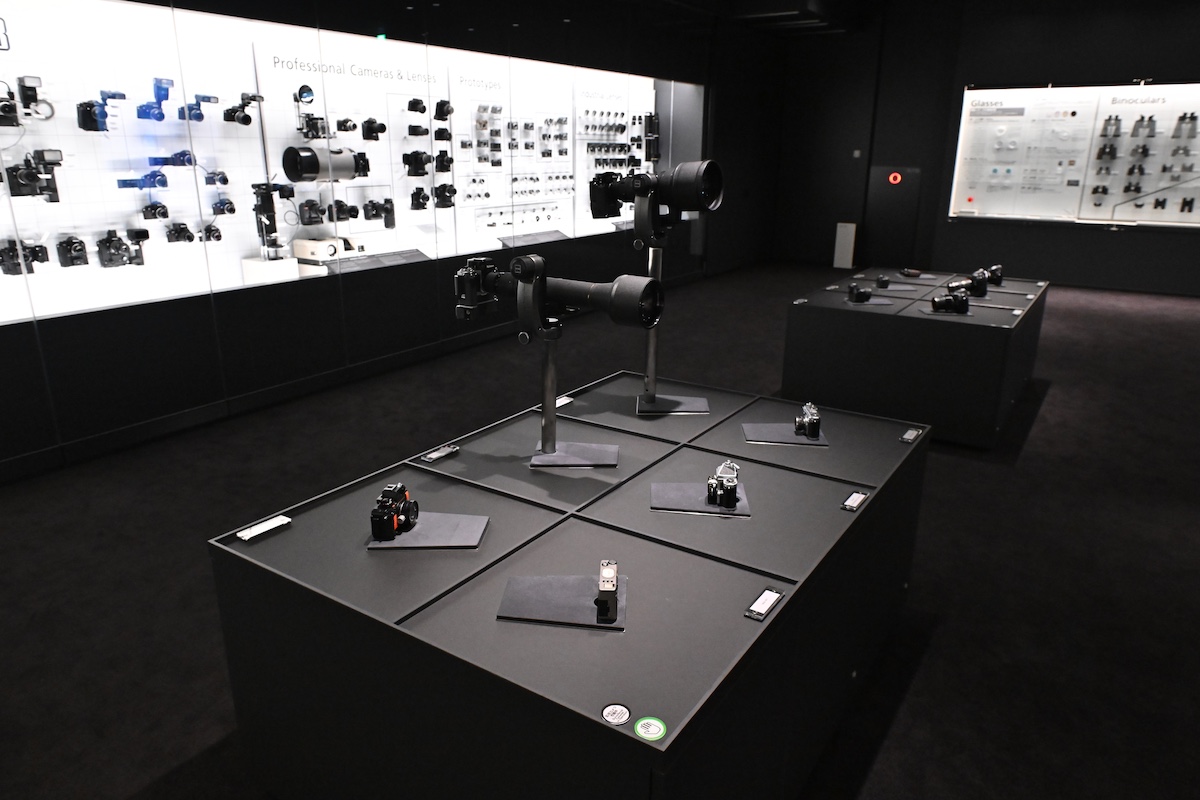
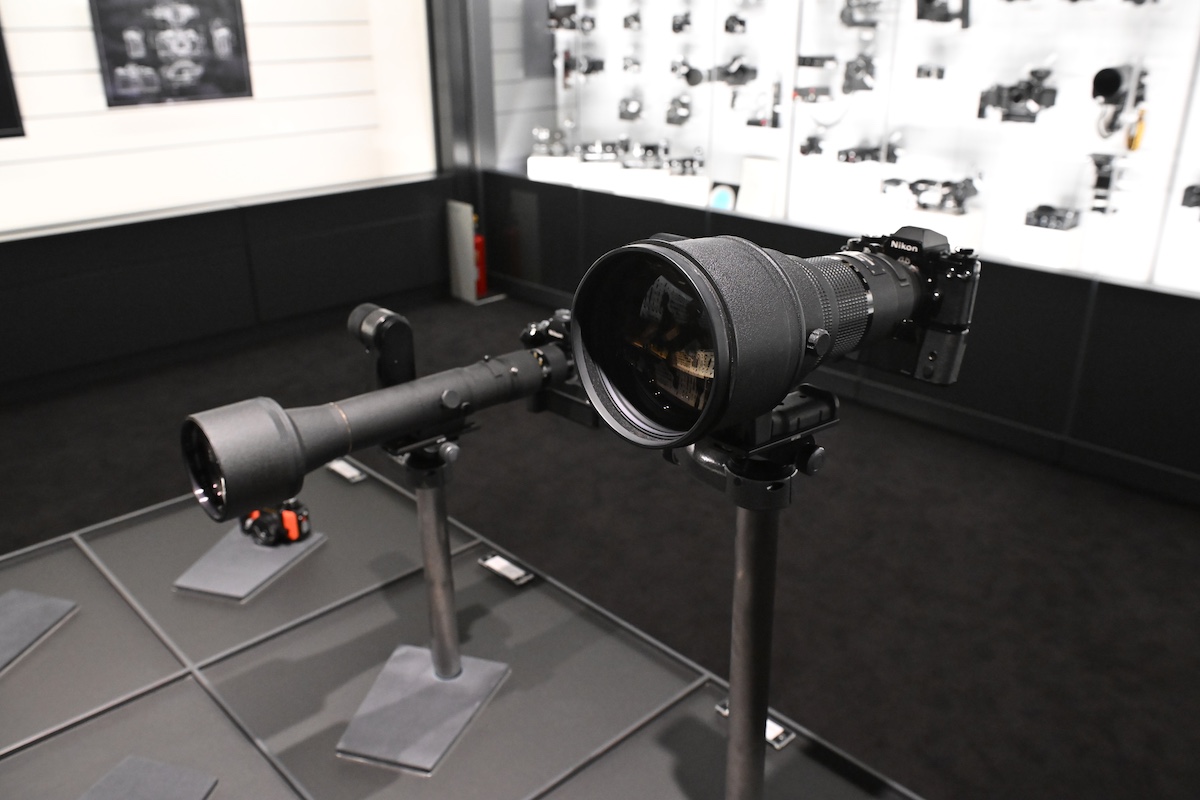
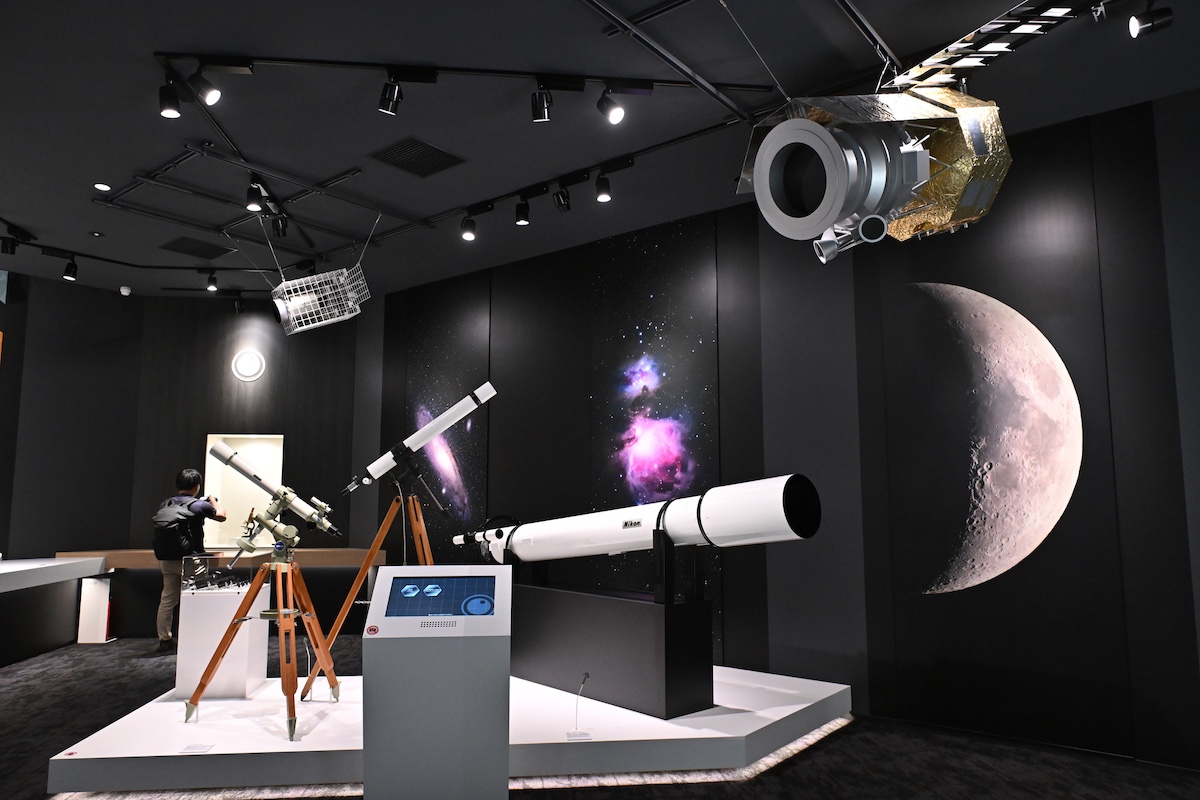
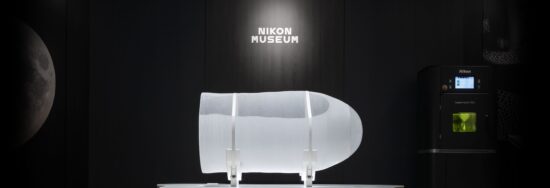
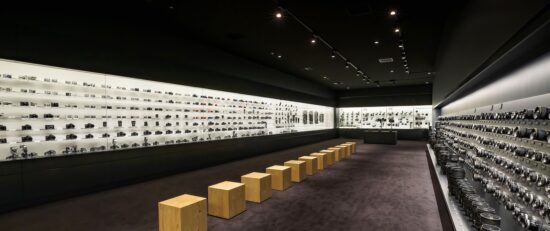
→ More pictures from the new Nikon Museum in Tokyo.
→ The latest YouTube videos are following: