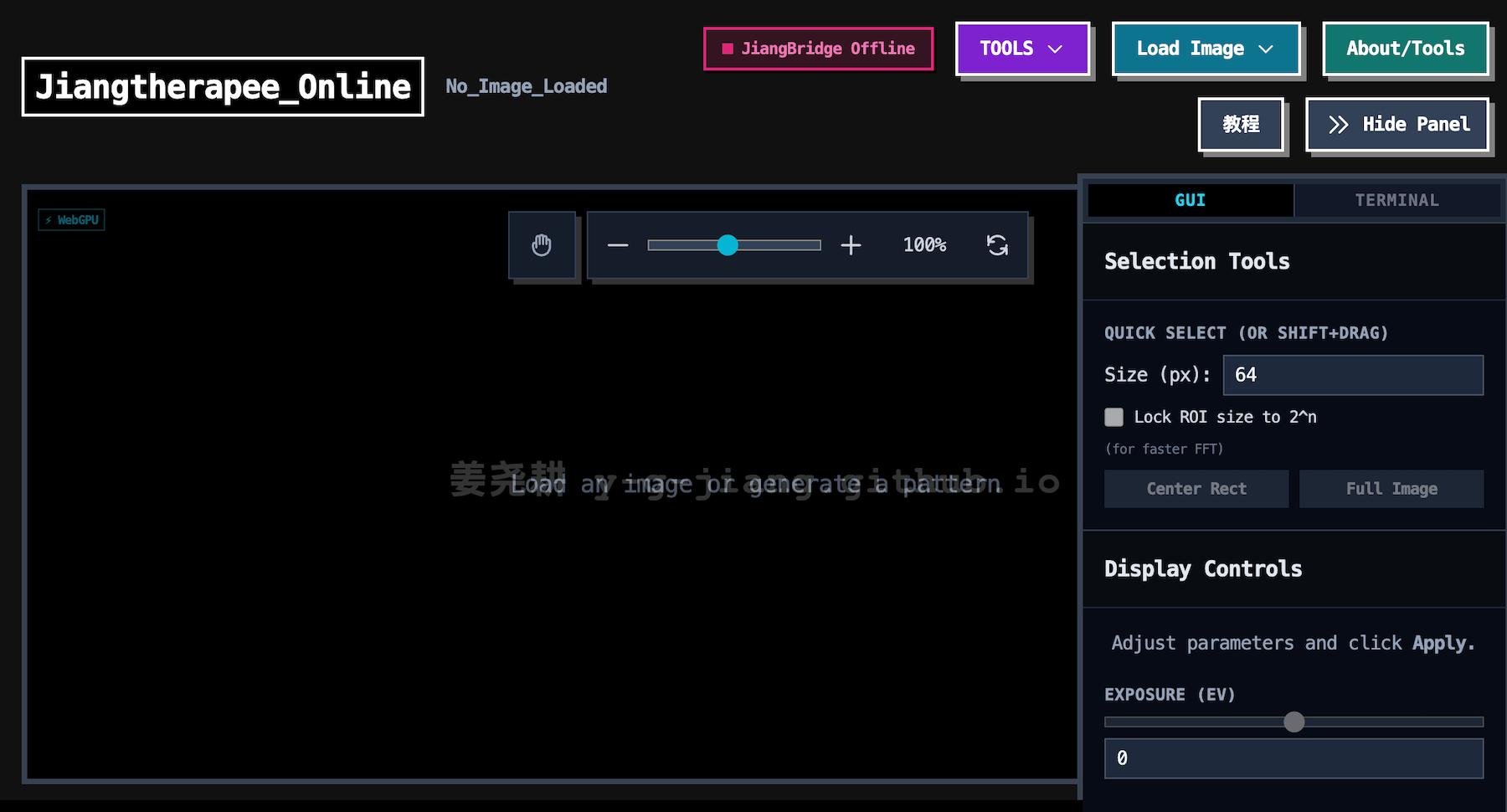
There is a free, open-source denoise tool called Jiangtherapee that can fix the abnormal bell curve in the dynamic range at ISO 64 for Nikon Z8/Z9 cameras.
The general tool works for most Nikon cameras. The special “Rescue Z8” button is for Z8/Z9 models only.
Additional information is available here (see also the related video in Chinese). Here is the AI recap of the tool:
- Full RAW decoding with black-level correction, DNG export, and 16-bit processing.
- Advanced data analysis: SNR, frequency-spectrum transforms, histograms, color-noise analysis, quantization.
- DR Lab (SNR-based dynamic-range measurement) with automatic “theoretical bell curve” (Gaussian) fitting for noise standard deviation. This is the exact tool that exposes and corrects anomalies in noise distribution.
- StackLab for stacking/super-resolution.
- ColorLab for custom color matrices and 24-patch calibration.
- Non-destructive editing: HSL, masks, curves, exposure/contrast/saturation, lens corrections, perspective, etc., plus full history undo/save.
- One-click “Test Tools” modules, including specialized sensor fixes.
- The file can still be opened in Lightroom, Capture One, etc., after correction.
The Nikon Z8 / Z9 ISO 64 “abnormal bell curve” fix
Nikon Z8 and Z9 sensors exhibit a well-known (but subtle) anomaly at their native base ISO 64: the read-noise distribution deviates from the ideal Gaussian “bell curve”, producing falsely elevated measured noise in shadows and a slight loss in dynamic-range readouts (roughly 0.3–0.5 stops depending on the measurement method). This makes ISO 64 sometimes look worse than ISO 100 in deep shadows when analyzed with standard tools. The tool directly addresses this:
- It analyzes the RAW file’s noise statistics.
- Fits the theoretical bell curve to the pre-anomaly data.
- Applies a targeted black-level / noise-characteristic correction that restores the proper Gaussian distribution.
- The result: after one-click processing, ISO 64 files show zero input-referred noise penalty compared with ISO 100 shots of the same scene. Shadows are identical or better, while you retain the extra highlight headroom of the lower ISO.