



DxO FilmPack version 8 film emulation software is now officially released (buy here) with a new Time Warp mode and full Photoshop integration for analog style and historical immersion. Here is what’s new in DxO FilmPack 8:
DxO FilmPack 8 released with a new Time Warp mode and full Photoshop integration
The Nikon ZR camera can record continuously for up to 125 minutes without overheating
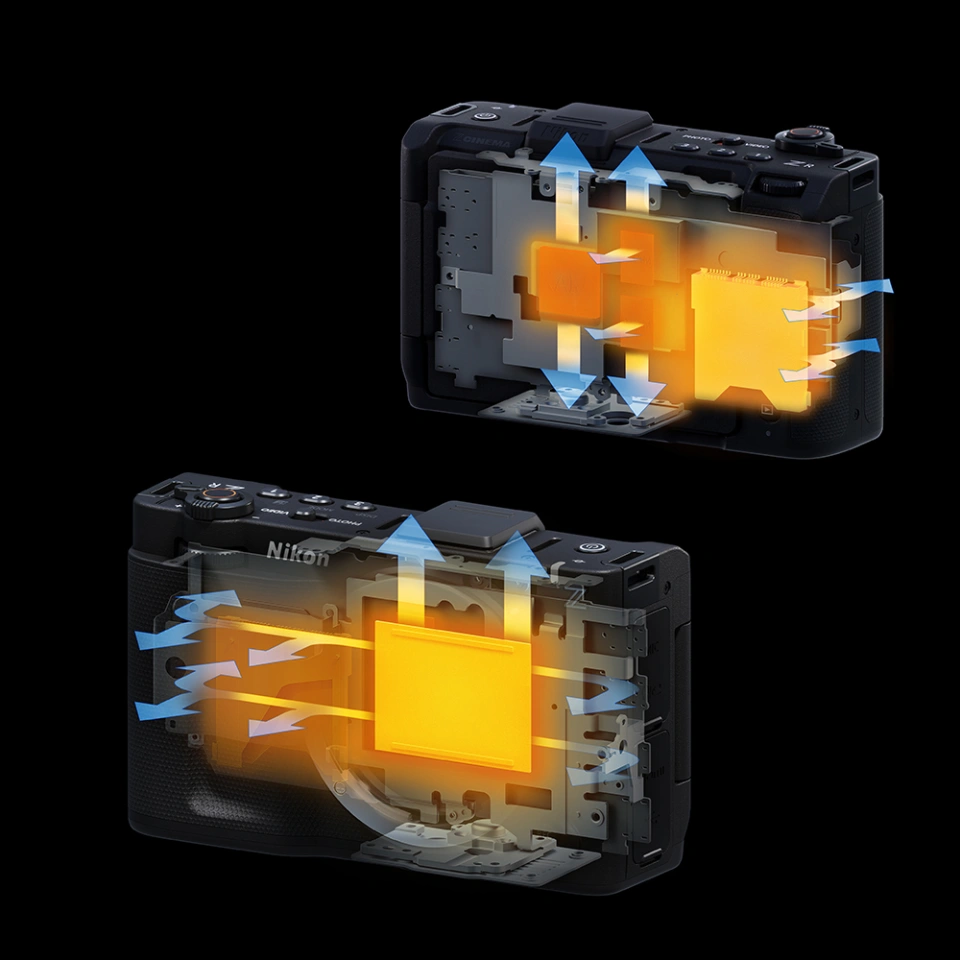
The Nikon ZR camera (order: B&H| WEX |Erhardt) can record continuously for up to 125 minutes in R3D NE 6K 59.94p without overheating, with auto temperature cutout set to [High], at 25°C/77°F, paired with an external power source according to Nikon’s official specifications:
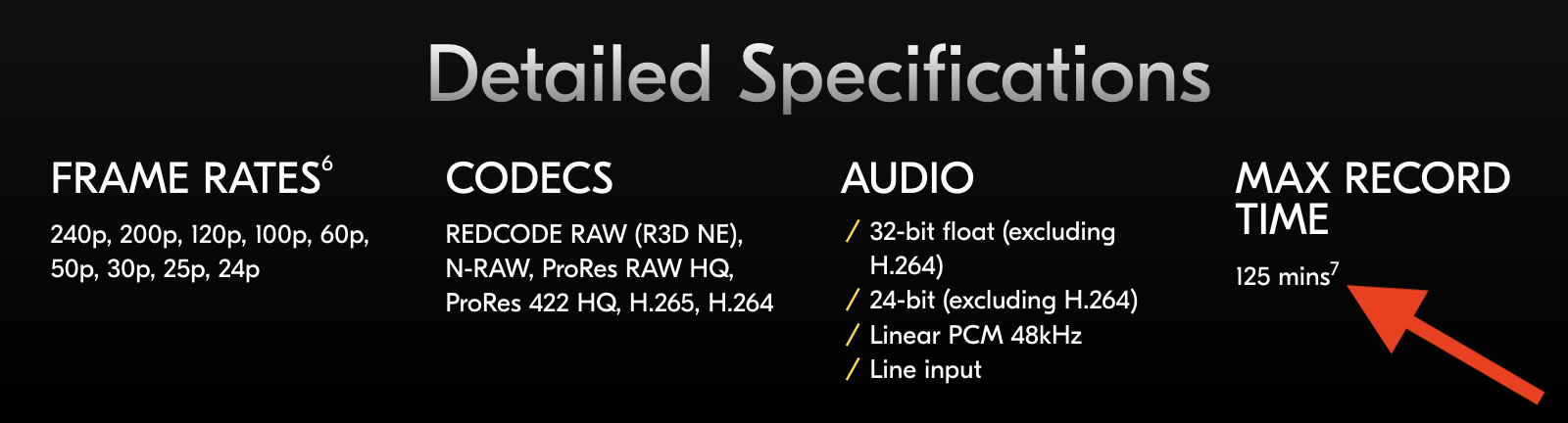
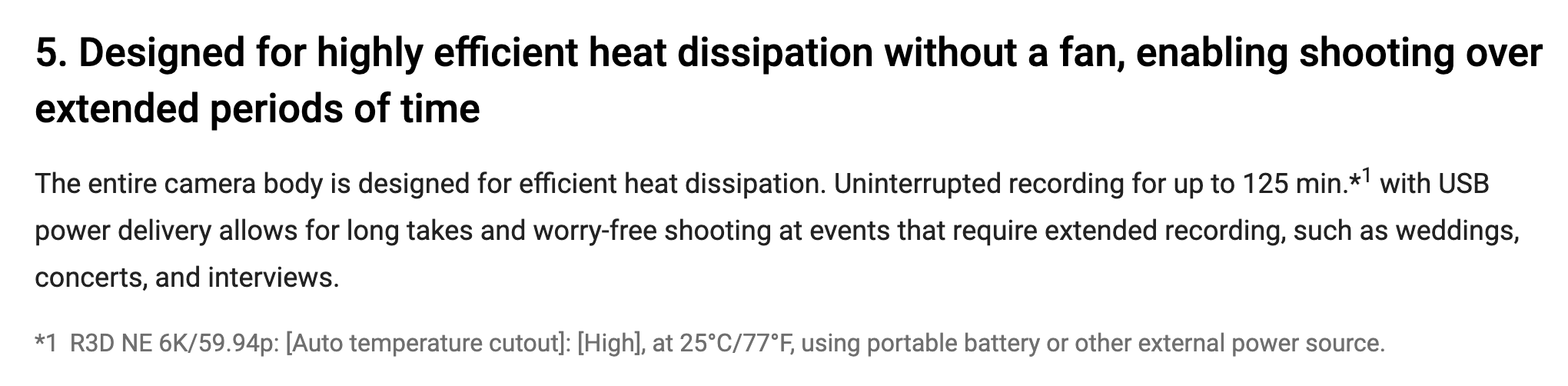
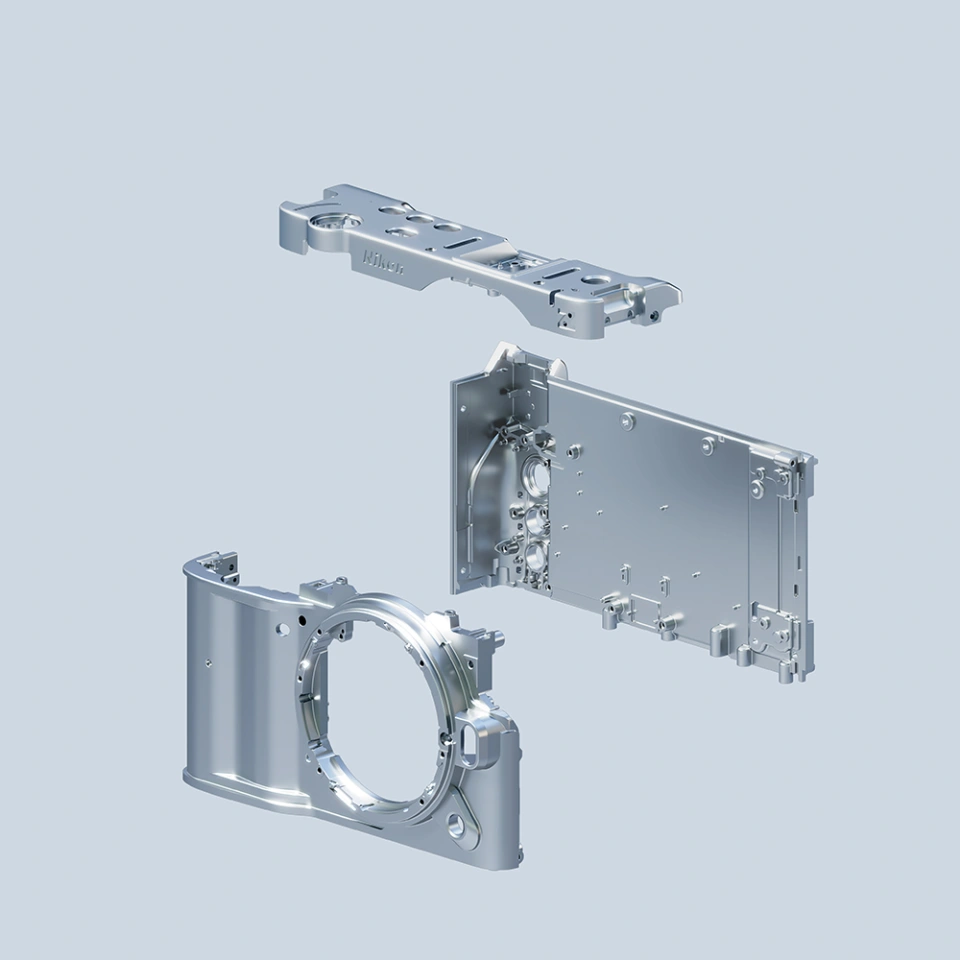
This duration is for a single, uninterrupted take. The camera’s body is engineered for efficient passive cooling, including a chassis optimized for heat dissipation, which helps it outperform many competitors in its class (e.g., Sony FX3 or Canon R5 C in similar scenarios). Unlike some cinema cameras with active cooling (e.g., the RED Komodo with fans), the ZR relies on a passive design, which also keeps it lightweight:
If overheating occurs, the camera displays progressive warnings (yellow for caution, red for imminent shutdown).
The Art of Color… Science?
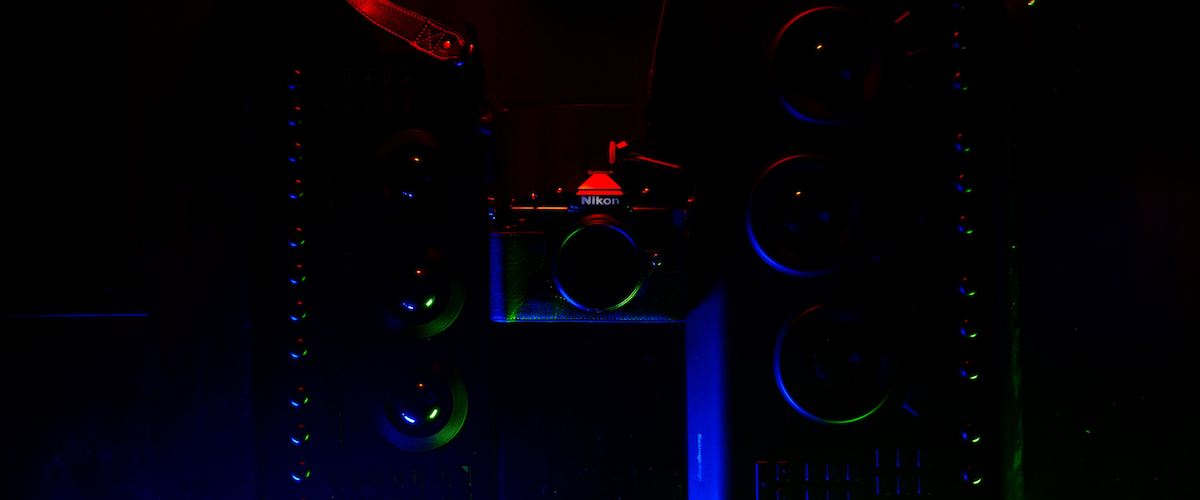
The Art of Color…Science?
by RC Jenkins (see previous guest posts)
Intro
Color science is an art.
And we’ve been getting a lot of crayons lately. And not the stupid ones in the 4-pack from some kid’s party that are basically just plastic and break. The good ones that just smear colors onto the page.
The biggest headline feature of the ZR is probably R3D NE (raw video format); but nobody actually cares about the technical format. It might even be pretty much the same as .NEV. What really differentiates it from .NEV is the color science that it contains. (But what exactly does this mean…? That was rhetorical.)
And not long before that, Nikon started rolling out “Flexible Picture Controls.” And before that, were the Advanced Picture Controls, which were themselves more advanced than the regular Picture Controls.
And during all of this, we had the fanboys bashing Sony’s colors or praising Fuji’s ‘Film Simulations’ and Canon’s colors. Which is always tinted a bit ironic when the same people brag about shooting raw and editing in Lightroom. But that’s a different topic. Or is it…? Hmmm…
You can’t paint without laying down some primer. So let’s put down a quick layer of primer on the raw material. What are raws?
Posted in Other Nikon stuff Tagged Nikon Picture Controls, Nikon recipes, RC Jenkins, [NR] Guest Posts 31 Comments
7Artisans AF 10mm f/2.8 APS-C rectilinear lens for Nikon Z-mount officially announced

The previously reported Artisans AF 10mm f/2.8 APS-C rectilinear lens for Nikon Z-mount has now been officially announced in Asia. Check for pre-orders at B&H Photo. International shipping is available from the 7Artisans store (do not confuse this lens with the existing 7Artisans 10mm f/2.8 Mark II manual focus full-frame lens, like I did earlier today).
Here is the list of improvements to the new APS-C version:
Weekly Nikon news flash #854
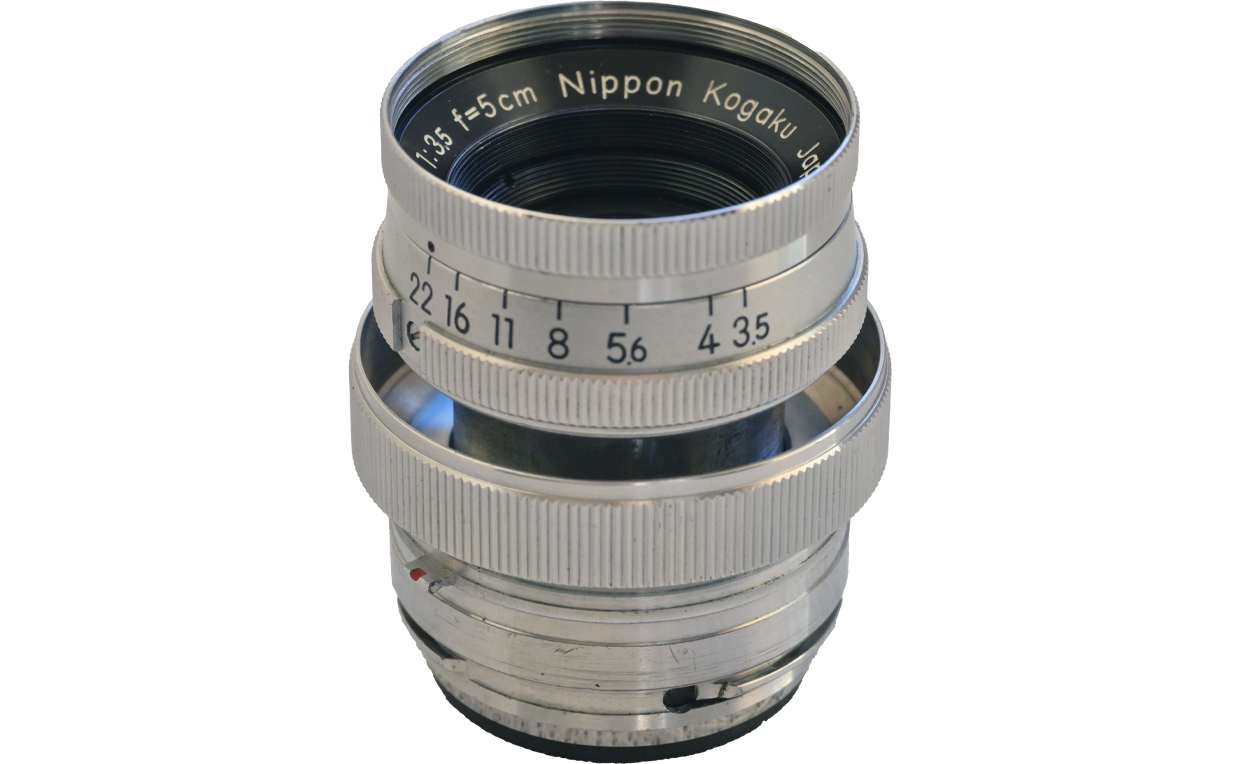
→ Nikkor The Thousand and One Nights No.95: the beginning of ultra-high resolution Micro-NIKKOR C 5cm F3.5.
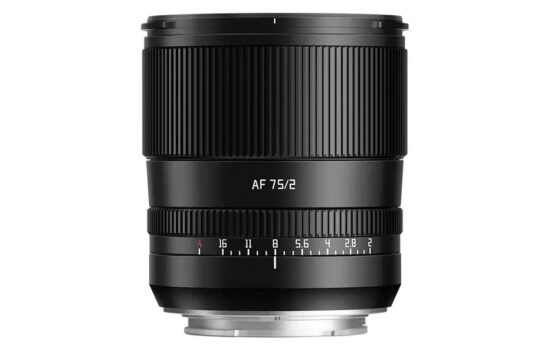
→ TTartisan released a new firmware update for the AF 75mm f/2 lens for Nikon Z-mount.
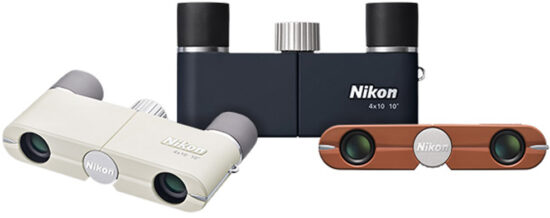
→ Nikon introduced new color models of the 4x10D CF binoculars (additional information).
→ You can now get 20% off the Luminar Neo Ecosystem with this exclusive promo code RUMORS20. This special promotion ends on October 7, and it’s the very last chance to preorder Luminar Ecosystem before the official release.
Posted in Weekly Nikon News Flash 17 Comments
Who produces the sensors for Nikon’s mirrorless cameras?
Here is an updated list of Nikon cameras and their sensor manufacturers (the list for DSLR cameras can be found here) – it appears that in 2024, Nikon started predominantly using Tower Semiconductor sensors:
| Model | Year | Sensor | Sensor Manufacturer |
|---|---|---|---|
| Nikon Z5 | 2020 | Full-frame CMOS 24.3MP | Sony |
| Nikon Z6II | 2020 | Full-frame BSI CMOS 24.5MP | Sony IMX820 (source) |
| Nikon Z7II | 2020 | Full-frame BSI CMOS 45.7MP | Sony |
| Nikon Z9 | 2021 | Full-frame stacked CMOS 45.7MP | Sony (IMX609AQJ) |
| Nikon Zfc | 2021 | APS-C BSI CMOS 20.9MP | Sony (source) |
| Nikon Z30 | 2022 | APS-C BSI CMOS 20.9MP | Sony (source) |
| Nikon Z8 | 2023 | Full-frame stacked CMOS 45.7MP | Sony (based on Z9 architecture) |
| Nikon Zf | 2023 | Full-frame BSI CMOS 24.5MP | Sony |
| Nikon Z50 | 2024 | APS-C CMOS 20.9MP | Tower Semiconductor (aka TowerJazz) |
| Nikon Z50II | 2024 | APS-C CMOS 20.9MP | Tower Semiconductor |
| Nikon Z6III | 2024 | Full-frame partially stacked CMOS 24.5MP | |
| Nikon Z5II | 2025 | Full-frame BSI CMOS 24.5MP | Sony |
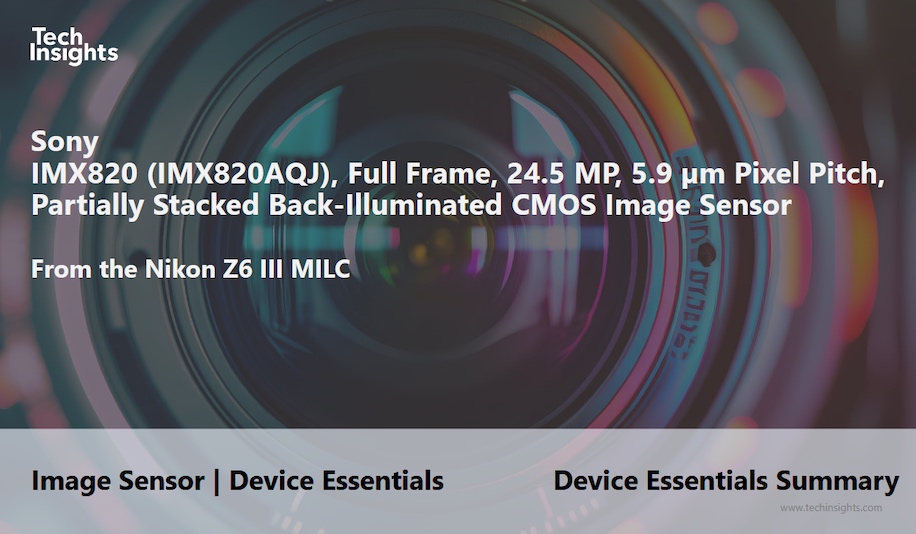
| Nikon ZR | 2025 | Full-frame partially stacked CMOS 24.5MP | Sony IMX820AQJ CMOS sensor (based on Z6III) |
Please note that the above information is not official, and some sensor manufacturers may be incorrect (specifically for the APS-C Zfc, Z30, and Z50II models).
Update – the Nikon Z6III sensor is made by Sony (Sony’s IMX820AQJ CMOS sensor):
New Nikon Zf firmware update rumored to be announced next week, possibly with the new “Film Grain” feature
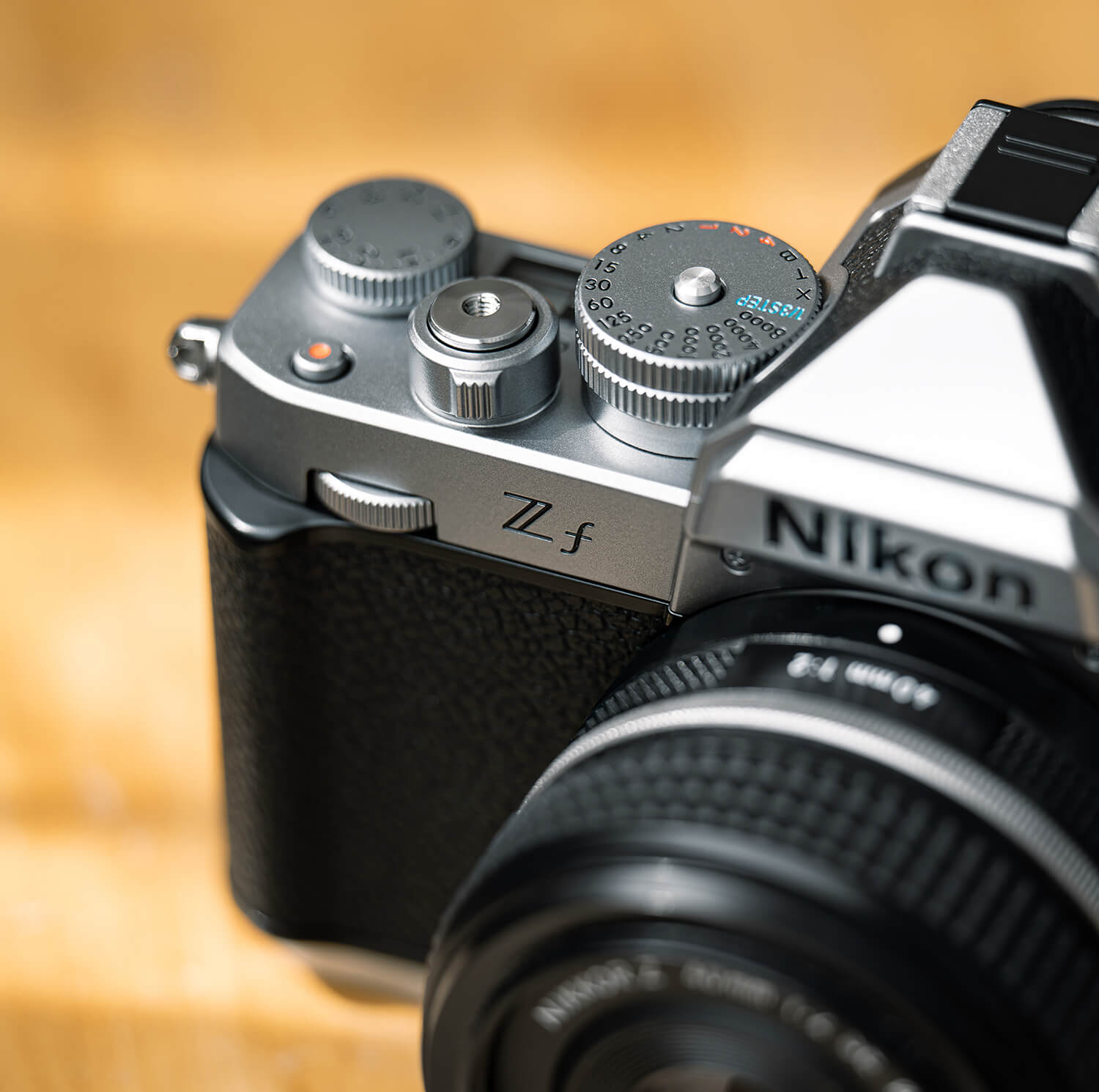
Nikon is rumored to release a new firmware update for the Zf camera next week (most likely on Tuesday). The new firmware update will probably include the new “Film Grain” feature that was announced together with the silver Zf version (now in stock):