This guest post, “The Artemis II eclipse from 62 Nikon Z9 RAW frames, as one HDR picture” is by Stefano Ivan Stinga (website | LinkedIn | X | images: NASA/Artemis II Crew, processing: Stefano Ivan Stinga):
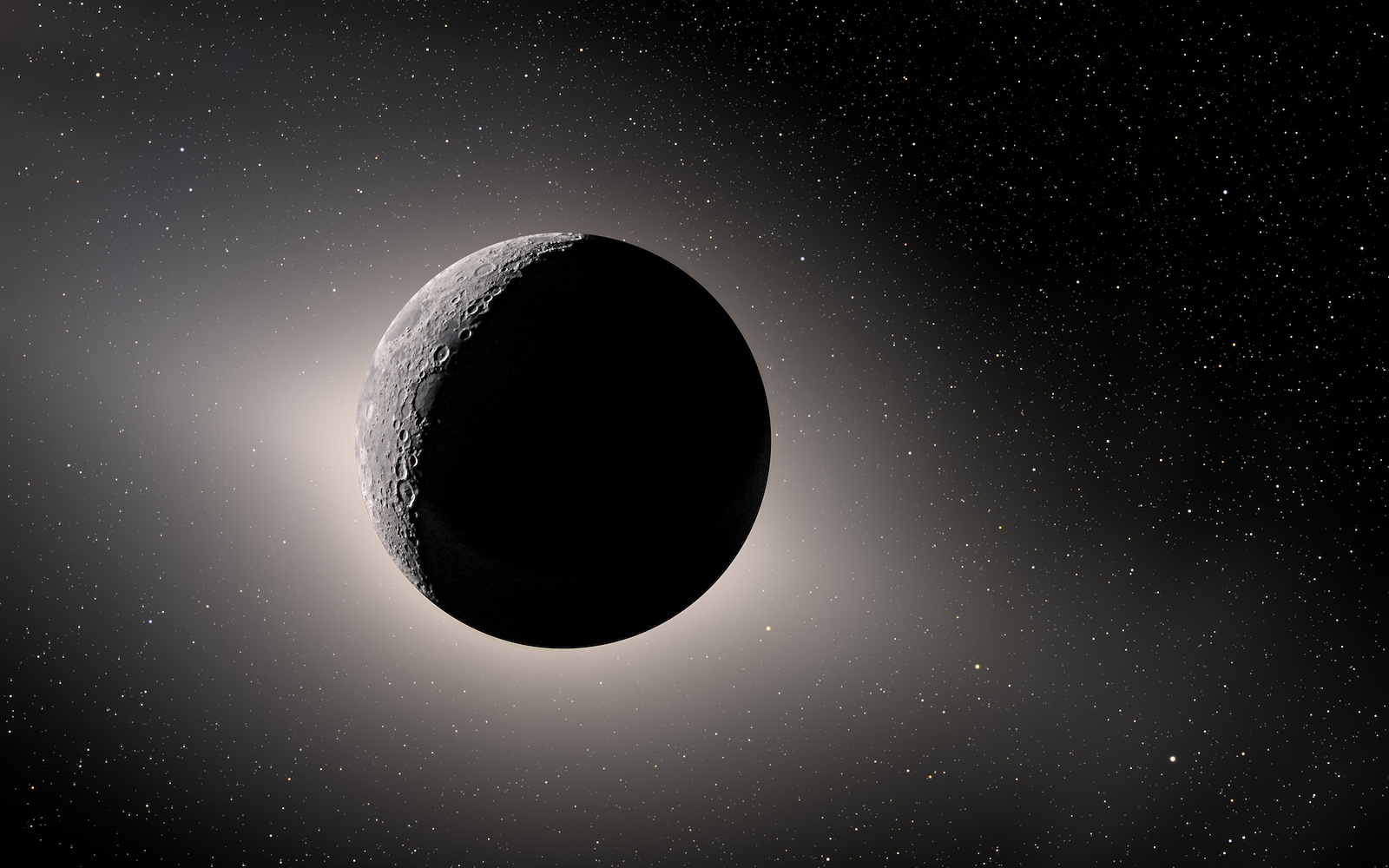
On April 7, 2026 (UTC), during the Artemis II lunar flyby, the Orion spacecraft passed through the Moon’s shadow. For almost an hour the crew watched a total solar eclipse, with the Sun hidden behind the far side of the Moon. They photographed it through Orion’s window with a Nikon Z9 and an adapted AF Nikkor 35mm f/2D.
In July, Nikon Rumors reported on a paper by Kohji Tsumura and Ko Arimatsu that measured the dust glow in one of the crew’s eclipse JPEGs. I’m an amateur astrophotographer and independent researcher based in Osaka, working with public space-mission data. When NASA released the raw files through its Planetary Data System on October 7, I downloaded them. The picture above combines 62 of those raw frames.
In the picture
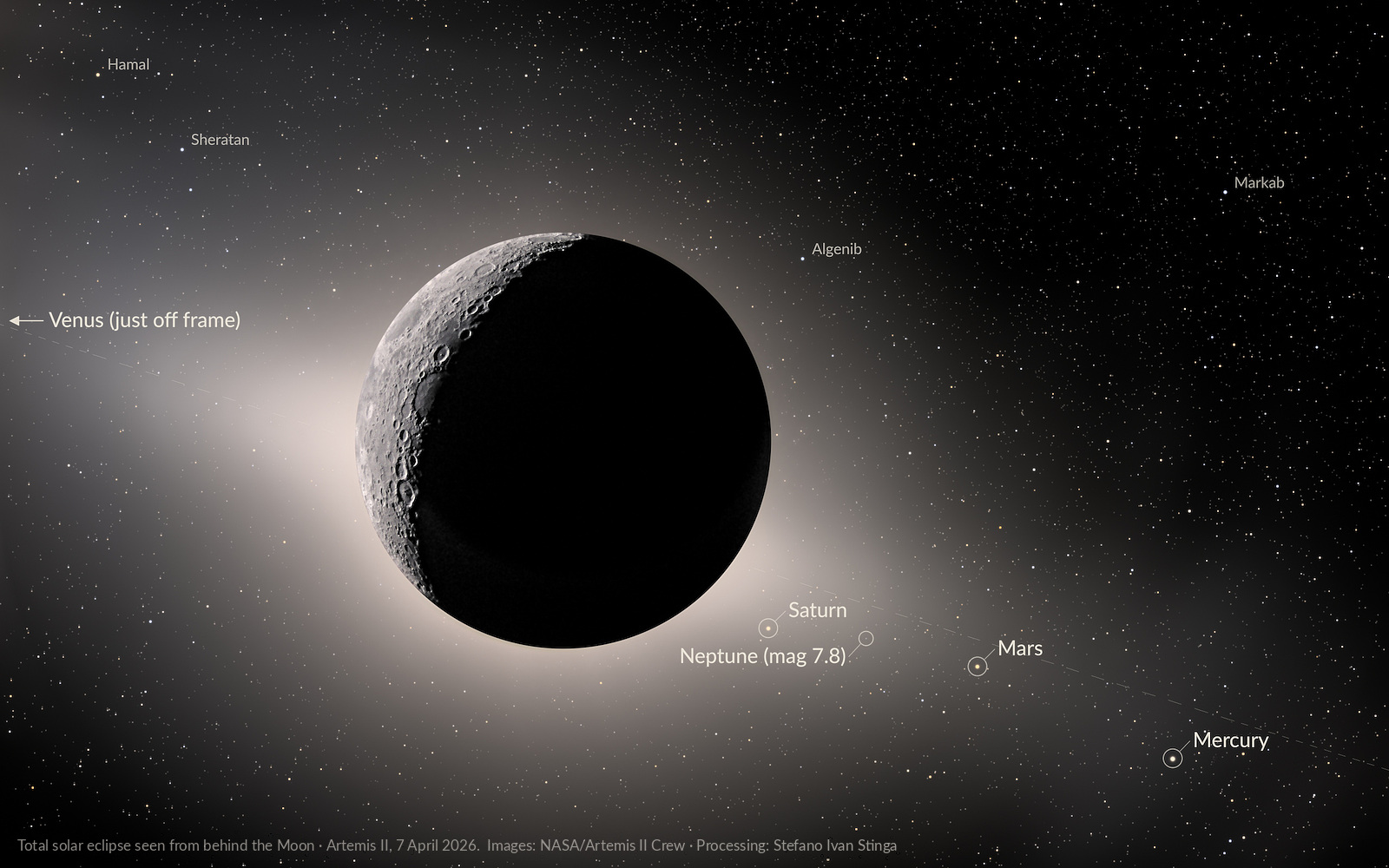
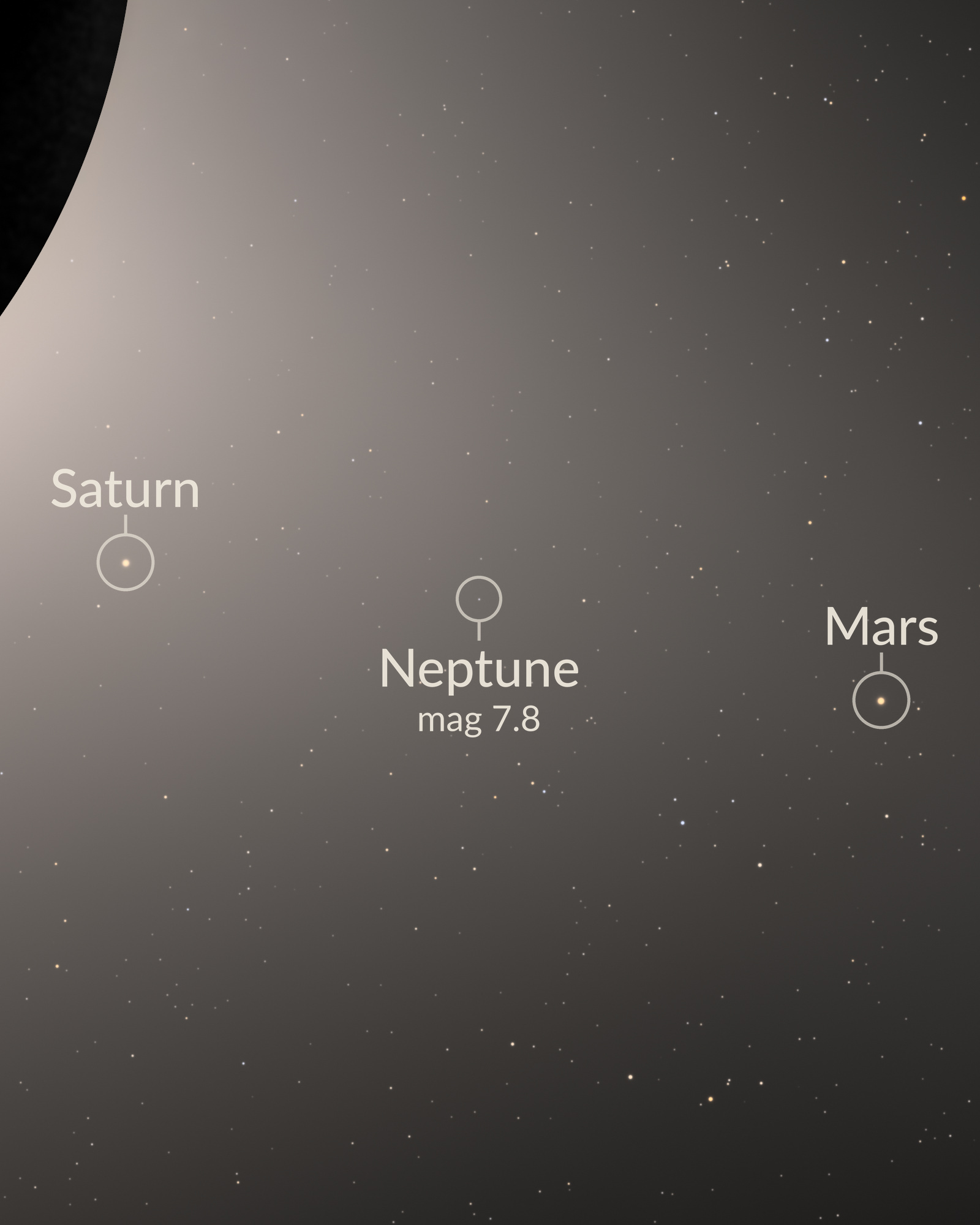
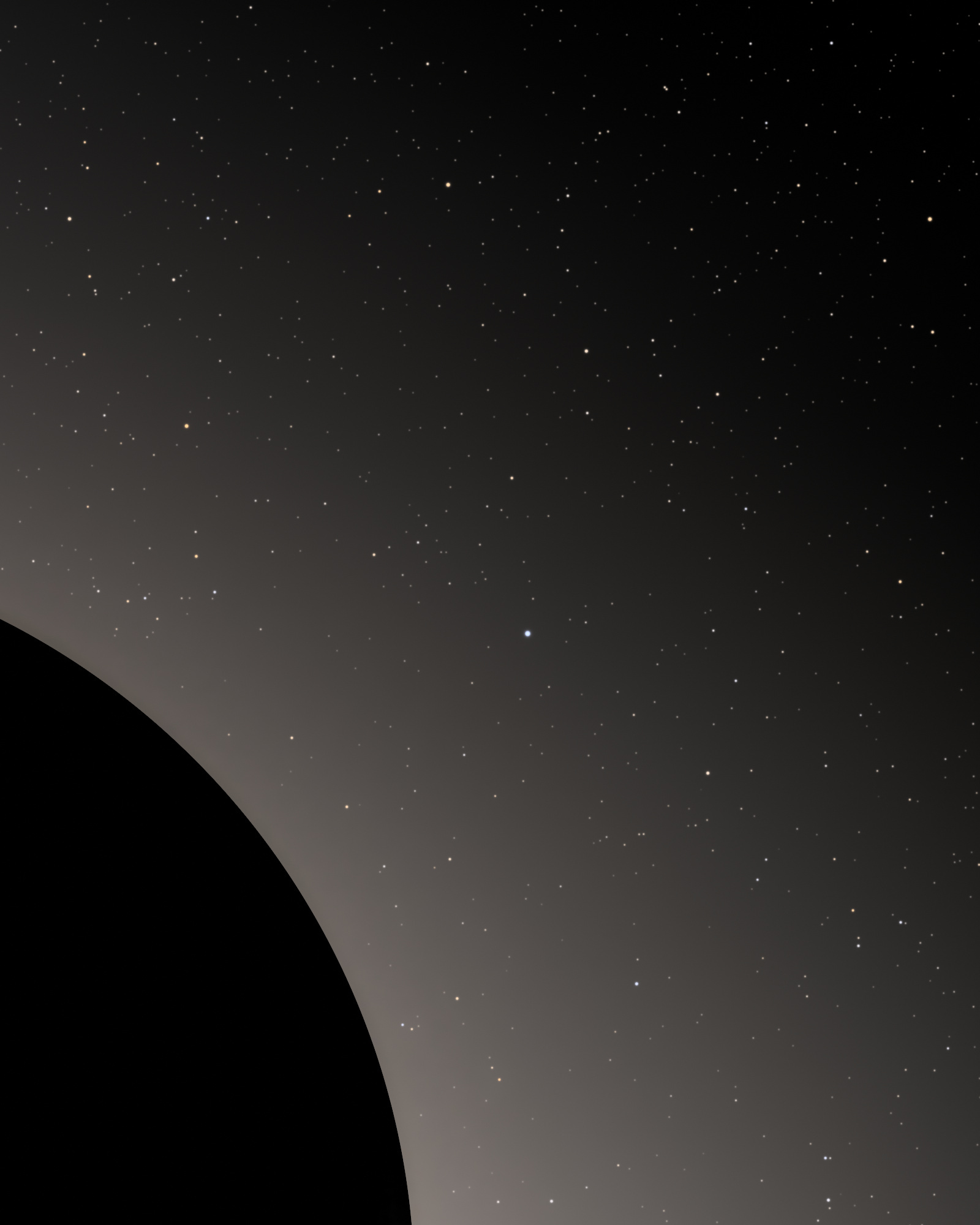
The soft glow is sunlight scattered by interplanetary dust, known as the F-corona and the zodiacal light. It is brightest close to the hidden Sun and stretches along the ecliptic, the plane of the planets. Earthshine lights the thin crescent of the Moon’s near side. Saturn, Neptune, Mars and Mercury line up along the ecliptic at the lower right, and Venus is just outside the left edge.
The annotated version below names the planets, the brightest stars and the ecliptic, with an arrow pointing to Venus.
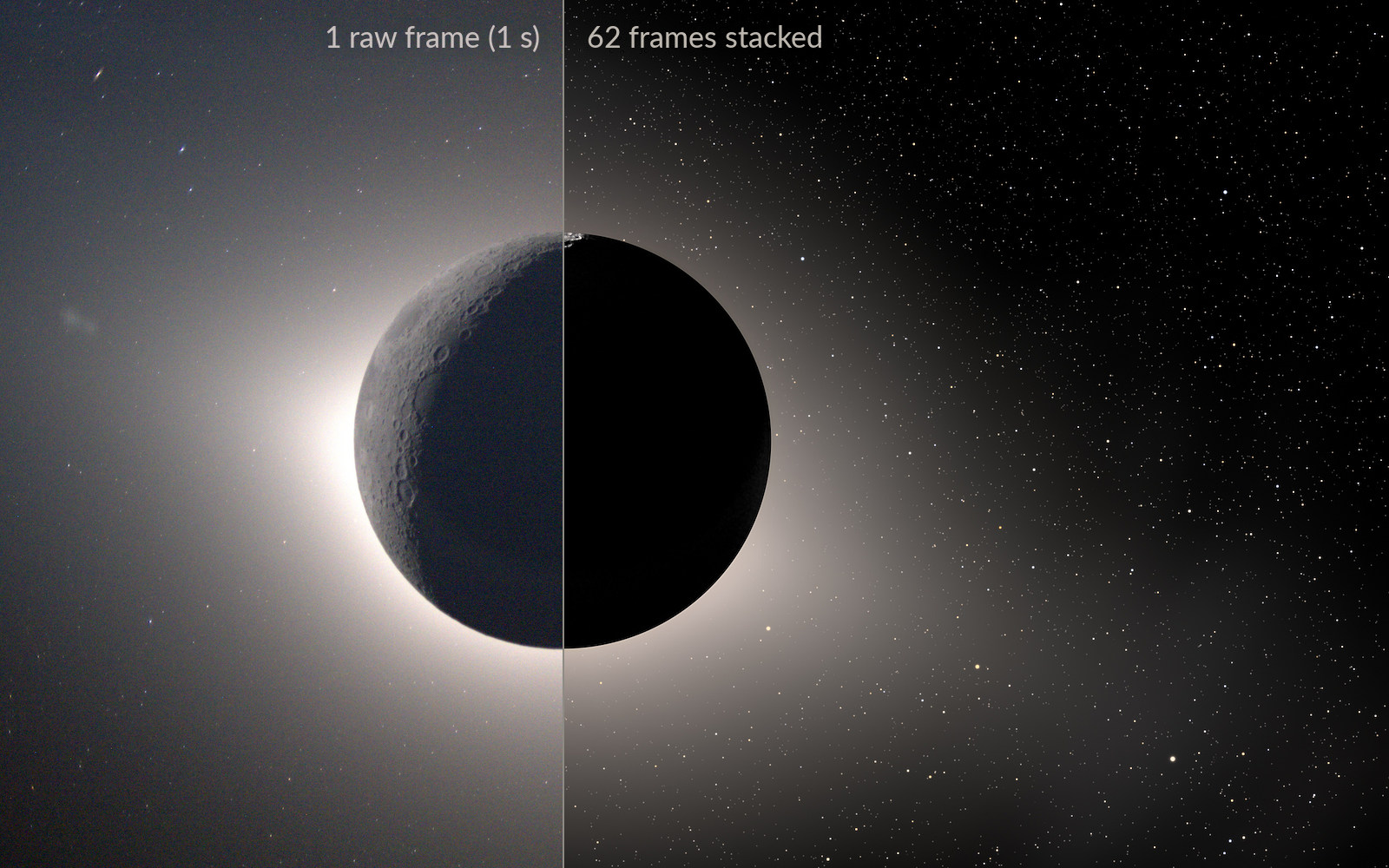
One raw frame and the stack
The picture below is split down the middle, with one raw frame on the left and the 62-frame stack on the right. The raw frame is a 1-second exposure at f/2 and ISO 1600 with only basic raw development.
How it was made
During the eclipse, the crew changed the exposure from 1/40 s to 13 s, a range of about 9 stops. Even the 13-second frame does not clip the glow next to the Moon, so frames of every length could be combined for the glow, each scaled by its exposure time.
Each raw frame was calibrated for black level, vignetting, and exposure, then aligned to the others on the stars.
The glow comes from 55 frames stacked with the stars masked out and smoothed into a model of the light. I removed a reflection of Venus in Orion’s window and filled in the glare around the planets along the band of the glow.
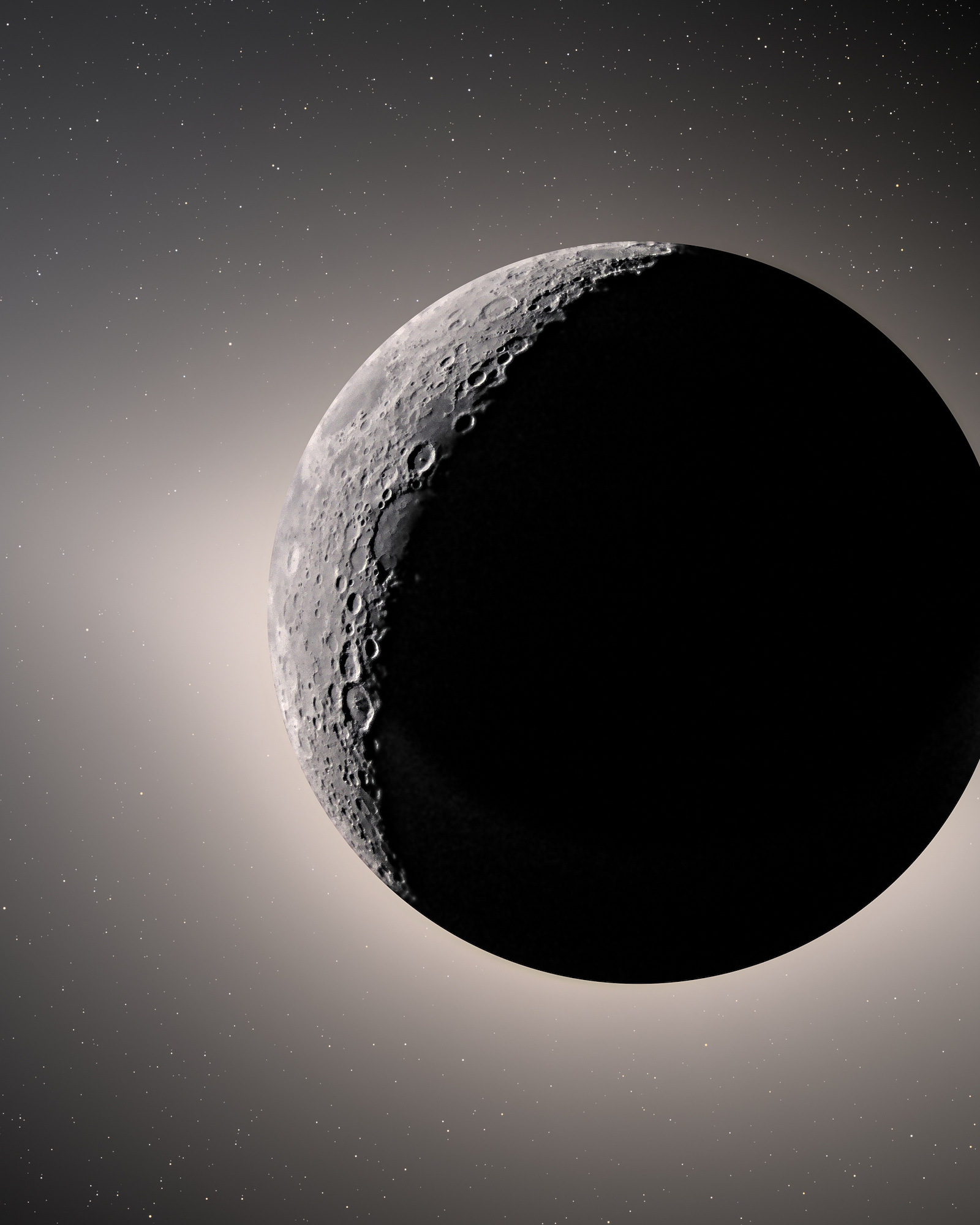
For the Moon, I combined the 17 sharpest frames, aligned on the Moon’s craters, then reduced the noise and sharpened the result. In the frames, the glow spills a little over the Moon’s edge, so I modeled that light and took it out. The far side is shown black, because the frames show no surface detail there, only a faint haze from the camera and the window.
The stars were done a bit differently. I measured 9,430 stars in the frames, each with its position, brightness and color, and redrew every one as a sharp round point with those values. I used a star catalog only as a reference to check the positions, calibrate the colors, and tell real close pairs of stars from fragments of bright ones.
After the color calibration, the glow comes out the color of sunlight, as expected for light scattered by dust. The last step is HDR tone mapping, so the bright glow and the faint stars both fit in one picture, with a separate curve for the Moon. All of the processing was done with my own Python tools. Nothing was cloned or generated with AI.
Close-ups
All three are crops of the full-resolution picture. The Moon is shown at about half size, and the other two at full size.
The full-resolution picture and the other versions are free to download on my website (images: NASA/Artemis II Crew, from the NASA Planetary Data System).
If you have an interesting idea for a guest post, please contact me here.
A previous cover of the Artemis mission can be found here:
New photos from the Artemis II mission released, and how NASA is testing cameras for flight